Asian Subterranean Termite

The Asian subterranean termite (Coptotermes gestroi) is a tropical invasive termite first found in the United States in Miami in 1996. In Florida it is found mainly in the southern part of the state, where it swarms at dusk early in the year, nests in soil, walls and large living trees, and is one of the most damaging termites from Key West to Palm Beach County.
- Since 1969Third generation, protecting South Florida
- 110% GuaranteeIf the bugs come back, so will Toro, at no additional cost
- Within 24 HoursResponse guaranteed
- Free InspectionPlus $25 off your first service
What Are Asian Subterranean Termites?
The Asian subterranean termite, Coptotermes gestroi, is a close relative of the Formosan subterranean termite. It is native to Southeast Asia and has been spread by people to islands in the Pacific and Indian Oceans, the Caribbean and the American tropics. In older literature it appears as Coptotermes havilandi.
Its U.S. story starts in South Florida. The first record was in 1996, from a storefront and a church in Miami. A colony was found in a waterfront house in Key West in 1999, and by 2004 six buildings in Key West were infested, along with boats off Fleming Key and in drydock on Stock Island. By early 2005 land-based colonies had been confirmed in Fort Lauderdale and Riviera Beach, at the time the northernmost established colonies of the species in the world.
Because it is a tropical termite, UF/IFAS describes its Florida distribution as restricted to southern Florida, where the warm winters, moist soil and dense urban tree canopy suit it. That range is getting larger. A 2026 UF/IFAS study in the Journal of Economic Entomology found the species established as far north as Brevard and Hillsborough counties and expects it to be detected in all 24 of Florida’s southernmost counties before 2040. For an overview of every termite in the region, see our guide to termites in South Florida.
How boats spread Asian subterranean termites
Boats are one of the main ways this termite moves. UF/IFAS documented private boats arriving in Florida from Jamaica, Virgin Gorda and Providenciales with termites on board, docked in Fort Pierce, Hollywood and Fort Lauderdale. Shipboard swarms that reach land are considered the most likely way people spread the species. A 2025 UF study led by Thomas Chouvenc confirmed that recreational boats are a major pathway for invasive termites, including the Asian subterranean termite, and noted that boats in South Florida are often found with established colonies. Swarmers attracted to city lights carry the infestation from the boat to shore.
How to Identify Asian Subterranean Termites
- Swarmers (alates): about 13 to 14 mm long including the wings, slightly smaller than Formosan swarmers. The head, the plate behind it and the top of the abdomen are dark brown, and two light “antennal spots” on the face are easy to see with a magnifying glass. The wings carry fine hairs, somewhat shorter than those of Formosan termites.
- Soldiers: a teardrop-shaped head seen from above and a large opening on the forehead that releases a white, mucus-like droplet when the soldier is disturbed. Soldiers make up about 10 to 15% of foraging groups and bite when the tube or wood is opened.
- Workers: small, creamy white and usually hidden in mud tubes or wood.
Asian subterranean termites vs. Formosan termites
The two Coptotermes species overlap mainly in South Florida, where UF/IFAS first documented both established in Miami-Dade and Broward. Asian subterranean swarmers are darker and fly earlier, from about February to April. Formosan swarmers are lighter orange-brown and fly from April to June. Their soldiers can only be separated under a microscope, so species identification is a job for a professional or the free UF/IFAS termite identification service.
Termite swarmers vs. flying ants
Termites have straight, bead-like antennae, a thick waist and four equal wings that extend well past the body. Ants have elbowed antennae, a pinched waist and shorter hind wings.
Life Cycle and Behavior
Colonies begin with a king and queen that pair up after a swarm. Over time the colony grows into a large, mature colony that can cause severe damage quickly. UF/IFAS notes that colonies of the invasive subterranean species can reach several million termites, with workers foraging up to about 100 feet from the central nest.
Asian subterranean termites build mud tubes to travel over exposed surfaces. In Key West, UF/IFAS photographed foraging tubes made of coral sand. In advanced infestations, colonies fill hollowed wood and wall voids with carton, a mix of soil, chewed wood and termite waste.
One of this termite’s habits sets it apart: it readily nests in large living trees. UF/IFAS reports that it is not picky about the type, age or size of tree. The colony feeds on the dead wood at the center of the trunk while the tree can still look healthy, and it may stay undetected for years while it expands its foraging area underground. In the Keys, it has caused extensive damage to mature native trees.
Swarms happen at dusk or at night from about February to April. One documented flight in a Key West hotel room took place at 1:30 a.m. in February. Swarmers fly to lights and through open doors and windows.
In South Florida, the swarm seasons of the Asian and Formosan subterranean termites overlap, and males and females of the two species pair up. In 2025, UF/IFAS confirmed that hybrid colonies of the two species are established in South Florida, after finding one in a tree in a Fort Lauderdale city park. Researchers believe there could be hundreds more across the urban area, but a 2026 UF/IFAS update stresses that hybrids are rare, behave like the parent species and respond to the same professional treatments.
Signs of an Asian Subterranean Termite Problem
- Swarms of dark brown winged termites at dusk or at night between February and April, especially around lights.
- Many swarmers indoors, which usually indicates a structural infestation.
- Piles of shed wings on windowsills, floors or patios.
- Mud tubes on foundations, walls, plumbing and the trunks of trees.
- Carton material in hollowed wood or wall voids.
- Damaged door casings, trim, cabinets or furniture with soil packed inside.
- Large trees with mud tubes on the bark or hollow trunks.
Why Asian Subterranean Termites Are a Problem
Mature colonies are large and can do severe damage in a short time. UF/IFAS reports that infestations in Florida are becoming more common and are likely to keep increasing. Because colonies hide in soil, trees and wall voids, damage is often found late; the 2026 UF study notes that subterranean termite damage is rarely reported before it is extensive.
This termite also threatens South Florida’s trees. Hollowed trunks can fail in high winds, and UF/IFAS research has linked termite-infested trees to a higher risk of breaking and collapsing during hurricanes. A UF/IFAS Extension article also reports that pest control operators have seen increasing failures of liquid treatments against Asian subterranean termites, one reason baiting has become an important tool.
Where Asian Subterranean Termites Hide in South Florida Homes and Businesses
- Soil along foundations, slab edges, patios and pool decks.
- Wall voids, baseboards, door casings and cabinets.
- Large shade trees and ornamental trees near the building.
- Wood fences, landscape timbers and stumps.
- Waterfront homes, docks, marinas and boats, especially in Broward, Miami-Dade and the Keys.
- Storefronts, churches and other commercial buildings, like those where the species was first recorded in Miami.
When Asian Subterranean Termites Are Most Active in South Florida
| Season | Asian subterranean activity | What to do |
|---|---|---|
| December to January | Colonies feed in soil, walls and trees | Book a termite inspection before swarm season, including trees near the home. |
| February to April (swarm season) | Swarms at dusk and at night, often largest in March | Turn off outdoor lights, keep doors and windows closed in the evening and save swarmers for identification. |
| May to October (rainy season) | Colonies forage in moist soil and expand | Fix leaks and drainage problems and keep mulch away from the foundation. |
| June to November (hurricane season) | Hollowed trees are at higher risk of breaking in storms | Have large trees near the building checked for termites before and after storms. |
How to Prevent Asian Subterranean Termites
- Fix plumbing leaks, roof leaks and air conditioning condensate drains.
- Keep wood, including fences and stored lumber, off the soil.
- Leave space between mulch or plants and the foundation.
- Turn off outdoor lights during swarm evenings when security allows, and keep windows and doors closed.
- Seal cracks and gaps and use mesh screening on attic vents and soffits.
- Have large trees near the home inspected for mud tubes, especially in early March.
- Boat owners should inspect their vessels regularly for wings, mud tubes or damage.
How Toro Gets Rid of Asian Subterranean Termites
- InspectionWe inspect the foundation, walls, wood trim, plumbing areas and the trees and landscaping around your property for mud tubes, carton, damage and swarm evidence.
- IdentificationWe confirm the species from soldiers or swarmers, because Asian, Formosan and native subterranean termites, and drywood termites, are managed differently.
- Colony treatmentWe use termite baiting, which workers share with the rest of the colony, or soil treatment around the structure, depending on the property. Tenting is not used for subterranean termites.
- Monitoring and follow-upWe check bait stations and treated areas over time. Our 110% Satisfaction Guarantee means that if the bugs come back, so will Toro, at no additional cost to you.
Toro Pest Management has served South Florida since 1969, from Miami and Fort Lauderdale to Key West. Our technicians train at the TORO Institute at our Miami headquarters with on-staff entomologists, and we respond within 24 hours, guaranteed. Learn about our termite control service or call 305-594-4767 for a free inspection and $25 off your first service. Hablamos Español.
Seeing signs of asian subterranean termite? Get a free inspection and $25 off your first service.
Schedule Your Free InspectionAsian subterranean termite: Frequently Asked Questions
When do Asian subterranean termites swarm?
In South Florida, UF/IFAS has recorded Asian subterranean termite flights from February to April, and large swarms often appear in March. Flights happen at dusk or at night, frequently on warm evenings, and the swarmers are strongly attracted to indoor and outdoor lights. Large numbers of swarmers inside a building usually mean the colony is in or under the structure.
How do I tell Asian subterranean termites from Formosan termites?
They are closely related and look alike. Asian subterranean swarmers are slightly smaller and dark brown, with two light spots on the face, and they usually swarm earlier in the year. Formosan swarmers are lighter yellow-brown to orange-brown and swarm from April to June. Their soldiers can only be told apart reliably under a microscope, so an expert should confirm the species.
Are Asian subterranean termites in Florida only in the south?
They were once thought to be limited to southern Florida, but they are spreading. A 2026 UF/IFAS study found the species established as far north as Brevard County on the Atlantic coast and Hillsborough County on the Gulf Coast, and researchers expect it in all 24 of Florida's southernmost counties before 2040. Infested boats arriving at ports also carry it.
Do Asian subterranean termites kill trees?
They feed on the dead wood in the center of large living trees, hollowing them out while the tree may still look healthy. UF/IFAS has documented extensive damage to mature trees in South Florida and the Keys, and hollowed trees are more likely to break and fall in hurricane winds. Colonies in trees can also forage into nearby buildings.
Does tenting get rid of Asian subterranean termites?
No. Tent fumigation does not work for subterranean termites, because the colony lives mostly in the soil or in trees outside the tent and can return to the building afterward. UF/IFAS recommends the same strategies used for Formosan termites: termite baits that can eliminate the colony and liquid soil treatments that keep termites away from the structure.
Can I treat Asian subterranean termites myself?
Store-bought sprays only kill the termites you can see, and colonies of invasive subterranean termites can reach several million individuals. UF/IFAS notes that termite baits and soil termiticides for these species must be applied by licensed professionals. The most useful steps for a homeowner are reducing moisture, saving a few swarmers for identification and scheduling an inspection.
Why are Asian subterranean termites a problem in the Florida Keys?
UF/IFAS Extension in Monroe County lists the Asian subterranean termite and the West Indian drywood termite as the two termites causing significant economic damage in the Keys, while Formosan and eastern subterranean termites are very rare there. Key West had infested buildings and boats by 2004, and the species has damaged mature native trees in the islands.
Related Pests
- Termites in South Florida
- Formosan Subterranean Termite
- Eastern Subterranean Termite
- Drywood Termites
- Ants
Pest Control Across South Florida
Toro treats asian subterranean termite in homes and businesses throughout Miami-Dade, Broward and Palm Beach counties, including:
- Miami
- Hialeah
- Doral
- Miami Beach
- Coral Gables
- Homestead
- Fort Lauderdale
- Hollywood
- Pembroke Pines
- Miramar
- Boca Raton
- West Palm Beach
Last updated: October 29, 2026
We have the #1 Solution!

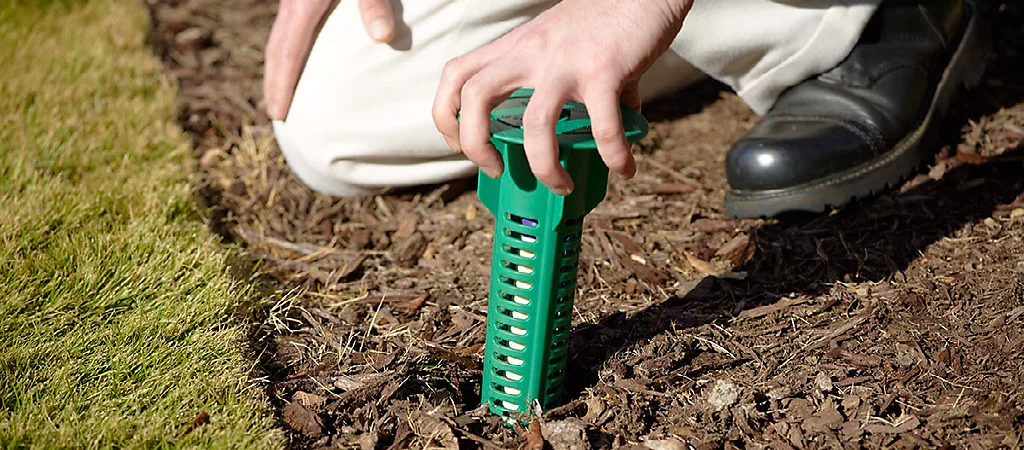
- Environmentally responsible. Has little or no impact on human health, low toxicity to birds, fish, and plants; and little potential for groundwater contamination.
- Once installed, it creates a barrier around your property so that termites take the bait back to their colony and keep them away from your structure.
- Eliminates entire termite colonies, including the queen.
- The Latest technology in Termite Colony Elimination.
- There no drilling into slab and no trenches.
- Total peace of mind with year around termite protection.
- TORO’s Board Certified Entomologist Certified Trained Technicians which specialize in Termite Baiting Technology will provide you with the results you can count on.

110% Satisfaction Guaranteed
If the bugs come back, so will TORO at no additional cost to you. TORO will respond with in 24 hours Guaranteed. Our technician will arrive quickly and deal with the pest problem to prevent recurrence.