Eastern Subterranean Termite

The eastern subterranean termite (Reticulitermes flavipes) is a native termite found across eastern North America, from Ontario to Key Largo. It lives in the soil, builds mud tubes and swarms in daytime in late winter and spring; in South Florida it shares the ground with the larger invasive Formosan and Asian subterranean termites, which UF/IFAS considers the region's most damaging species.
- Since 1969Third generation, protecting South Florida
- 110% GuaranteeIf the bugs come back, so will Toro, at no additional cost
- Within 24 HoursResponse guaranteed
- Free InspectionPlus $25 off your first service
What Are Eastern Subterranean Termites?
The eastern subterranean termite, Reticulitermes flavipes, is the most widespread termite in eastern North America. Its range runs from southern Ontario in Canada all the way south to Key Largo, and it belongs to Reticulitermes, the native genus responsible for most subterranean termite damage in the United States. In other parts of the world, including France, Chile and Spain, it is an invasive pest after being carried there by people.
In Florida, UF/IFAS lists the eastern subterranean termite as a major pest that often infests structures and is found statewide. It has two native relatives in the state: the dark southern subterranean termite (Reticulitermes virginicus), which is also found statewide and shows up in structures nearly as often, and the light southeastern subterranean termite (Reticulitermes hageni), which rarely infests buildings.
South Florida is different from the rest of the state. Here the native Reticulitermes termites share the soil with two invasive termites, the Formosan subterranean termite and the Asian subterranean termite, which form much larger colonies. UF/IFAS identifies those two Coptotermes species as the most damaging termites in South Florida, and in the Keys, the local UF/IFAS Extension office reports that native eastern subterranean termites are very rare. So if you find subterranean termites in Miami-Dade, Broward or the Keys, the species could be native or invasive, and the difference matters for how the problem is handled. For an overview of all the termites in the region, see our guide to termites in South Florida.
How to Identify Eastern Subterranean Termites
- Swarmers (alates): dark brown, about 0.4 inch (10 mm) long including the wings, slightly larger than the dark southern and light southeastern subterranean termites, which are about 0.3 inch. The wings have two thick, dark veins along the front edge and no hairs, unlike the hairy wings of Formosan swarmers.
- Soldiers: a rectangular head with strong mandibles. The plate behind the head is narrower than the head. Soldiers are scarce, only about 1 to 2% of the colony.
- Workers: small, soft and creamy white, usually seen only when a mud tube or damaged wood is broken open.
Eastern subterranean termites vs. invasive Coptotermes termites
UF/IFAS gives a simple field clue: when a mud tube or infested wood is opened, few or no soldiers suggest Reticulitermes, while many soldiers rushing to the break suggest Coptotermes. Coptotermes soldiers also have oval, teardrop-shaped heads and release a white, glue-like droplet. Swarm timing helps too: eastern subterranean termites fly in daytime from January to April, while Asian subterranean termites swarm at dusk or at night from February to April and Formosan termites swarm after sunset from April to June.
Eastern vs. dark southern subterranean termites
The dark southern subterranean termite, Reticulitermes virginicus, is the eastern subterranean termite’s closest look-alike in Florida. Both have dark brown swarmers and both swarm on warm, sunny afternoons, but dark southern swarmers are smaller, about 0.3 inch with wings, and fly a little later, from early February to late May. Entomologists separate the two by the shape of the plate behind the head and the size of a tiny simple eye, details that need magnification. For treatment purposes the two native species are handled the same way.
Termite swarmers vs. flying ants
Termites have straight, bead-like antennae, a thick waist and four equal wings that extend well past the body. Ants have elbowed antennae, a pinched waist and hind wings that are shorter than the front wings.
Life Cycle and Behavior
A colony starts after a swarm, when a male and female shed their wings and start a nest in moist soil near wood. The colony grows slowly; UF/IFAS notes that a new colony may take five to ten years to produce its own swarmers. A mature colony may contain about 100,000 to 1,000,000 termites and forage up to about 150 feet through the soil.
Workers need moisture and stay hidden. To reach wood above the ground, they build mud shelter tubes from the soil up foundations, walls and pipes. Inside wood, they often cover their galleries with soil, which gives the damage a dirty look. In nature, eastern subterranean termites feed on dead trees, fallen branches and rotting wood; in a home, any wood can be food, and they may damage other materials containing cellulose.
In Florida, eastern subterranean termites swarm from early January to April. Flights happen on warm, sunny, windless afternoons, usually after rain, and a swarm can include hundreds to thousands of winged termites. Swarms that happen inside a home often leave dead swarmers with their wings still attached near windows, sinks and bathtubs.
Signs of an Eastern Subterranean Termite Problem
- Daytime swarms of dark winged termites indoors or around the house in late winter or early spring.
- Dead swarmers or shed wings near windows, sinks, bathtubs and doors.
- Mud tubes running from the ground up the foundation, slab edge, walls or plumbing.
- Wood that sounds hollow or gives way when probed with a screwdriver.
- Blistered or peeling paint or wood surfaces.
- Galleries in wood that are packed or coated with soil.
- Paper-thin wood discovered during a remodel or repair.
Why Eastern Subterranean Termites Are a Problem
Even though their colonies are smaller than those of the invasive species, eastern subterranean termites are a major structural pest. Native subterranean termites have long been the main focus of termite control in the United States; UF/IFAS notes that subterranean termites account for most of the money Americans spend on termite control every year. Because the colony lives underground and the workers stay inside wood and tubes, an infestation can go on for years before anyone notices the damage.
Why native vs. invasive matters
Telling a native colony from an invasive one changes the picture of the problem. A Reticulitermes colony forages up to about 150 feet, while invasive Coptotermes colonies can number in the millions and travel much farther underground. Invasive Formosan termites can also form aerial colonies above ground inside buildings, with no connection to the soil. Knowing the species helps the technician decide where to look, how far to extend monitoring and which treatment fits.
The concern is property damage, not health. Wood damage from this species should not be confused with drywood termite damage, which is handled differently; see our page on drywood termites.
Where Eastern Subterranean Termites Hide in South Florida Homes and Businesses
- Moist soil along the foundation, especially near downspouts, AC condensate lines and irrigation.
- Wood touching the soil: siding, door frames, porch posts, fences and stored lumber.
- Mulch beds and dense plants against the foundation.
- Bathrooms, kitchens and laundry areas with plumbing leaks.
- Stumps, buried wood, fallen branches and old landscape timbers in the yard.
- Crawl spaces and older wood-frame homes with framing close to the ground.
When Eastern Subterranean Termites Are Most Active in South Florida
| Season | Eastern subterranean activity | What to do |
|---|---|---|
| January to April (swarm season) | Daytime swarms on warm, sunny afternoons, often after rain | Look for swarmers and wings near windows and sinks and save a few for identification. |
| May to October (rainy season) | Workers forage actively in warm, moist soil | Fix drainage problems, keep gutters and downspouts working and keep mulch away from the foundation. |
| June to November (hurricane season) | Colonies keep foraging; fallen branches and storm debris can end up touching the soil next to the home | Remove fallen branches and wood debris after storms and check for new mud tubes. |
| December | Colonies keep feeding below ground | Schedule an annual termite inspection before the next swarm season. |
How to Prevent Eastern Subterranean Termites
- Keep structural wood and siding out of direct contact with the soil.
- Keep foundation walls and siding clear of mulch, soil and dense plants.
- Fix plumbing leaks, roof leaks and air conditioning condensate problems.
- Direct gutters and downspouts away from the foundation.
- Remove stumps, buried wood and old timbers near the house.
- Use pressure-treated wood for fences, decks and any wood near the ground.
- Schedule a professional termite inspection every year, and call right away if you see mud tubes or swarmers.
How Toro Gets Rid of Eastern Subterranean Termites
- InspectionWe inspect the foundation, slab edges, crawl spaces, plumbing areas and wood near the soil for mud tubes, swarmers, wings and damage.
- IdentificationWe confirm whether the termites are native Reticulitermes or invasive Coptotermes, and rule out drywood termites, because each needs a different plan.
- Targeted treatmentDepending on the property, we use termite baiting, which workers carry back to the colony, or soil treatment around the structure to keep termites out. Tenting is not used for subterranean termites.
- Monitoring and follow-upWe monitor bait stations and treated areas over time. Our 110% Satisfaction Guarantee means that if the bugs come back, so will Toro, at no additional cost to you.
Toro Pest Management has protected South Florida homes and businesses since 1969, from Miami-Dade and Broward to Palm Beach and the Keys. Our technicians train at the TORO Institute at our Miami headquarters with on-staff entomologists, and we respond within 24 hours, guaranteed. Learn about our termite control service or call 305-594-4767 for a free inspection and $25 off your first service. Hablamos Español.
Seeing signs of eastern subterranean termite? Get a free inspection and $25 off your first service.
Schedule Your Free InspectionEastern subterranean termite: Frequently Asked Questions
Are eastern subterranean termites common in South Florida?
They are found throughout Florida, and their range extends south to Key Largo, so South Florida homes can have them. In the urban areas of Miami-Dade and Broward, however, UF/IFAS identifies the invasive Formosan and Asian subterranean termites as the most damaging subterranean species, and UF/IFAS Extension in Monroe County reports that native eastern subterranean termites are very rare in the Keys.
When do eastern subterranean termites swarm in Florida?
UF/IFAS reports flights from early January to April, usually on warm, sunny, windless afternoons, often after rain. Southern Florida populations may start earlier in the season than northern ones. This daytime timing is a useful clue, because the invasive Coptotermes species in South Florida usually swarm at dusk or at night and later in spring.
How do I know if I have eastern subterranean termites?
Look for swarms of dark winged termites indoors in late winter or early spring, dead swarmers near windows, sinks or bathtubs, mud tubes rising from the soil onto foundations or walls, and wood that sounds hollow or has blistered paint. Damaged wood is often coated with soil, giving it a dirty look. A professional should confirm the species before treatment.
How is the eastern subterranean termite different from the Formosan termite?
Eastern subterranean colonies are smaller, about 100,000 to one million termites, compared with several million for Formosan colonies. Eastern swarmers are dark brown and have hairless wings, while Formosan swarmers are orange-brown with hairy wings. Eastern soldiers have rectangular heads and make up only 1 to 2% of the colony, while Formosan soldiers have oval heads and make up 10 to 15%.
Are eastern subterranean termites invasive?
No, not in the United States. The eastern subterranean termite is native to eastern North America and belongs to Reticulitermes, the native genus behind most subterranean termite damage in the country. It has, however, become an invasive species in other countries, including France, Chile and Spain, after being carried there by people.
Will tenting kill eastern subterranean termites?
No. Like other subterranean termites, the eastern subterranean termite colony lives in the soil outside the building, so fumigating the house would not reach it. UF/IFAS lists two main treatments: non-repellent liquid termiticides that keep the colony out of the structure and chitin synthesis inhibitor baits that aim to eliminate the colony. Both must be applied by a licensed provider.
Can I get rid of eastern subterranean termites myself?
UF/IFAS states that structural termite treatments must be applied by licensed pest management providers. Homeowners can make a home less attractive by fixing leaks and AC condensate problems, keeping wood off the soil and pulling mulch and plants away from the foundation, but a suspected infestation should be inspected by a professional who can confirm the species and choose the treatment.
Related Pests
- Termites in South Florida
- Formosan Subterranean Termite
- Asian Subterranean Termite
- Drywood Termites
- Ants
Pest Control Across South Florida
Toro treats eastern subterranean termite in homes and businesses throughout Miami-Dade, Broward and Palm Beach counties, including:
- Miami
- Hialeah
- Doral
- Miami Beach
- Coral Gables
- Homestead
- Fort Lauderdale
- Hollywood
- Pembroke Pines
- Miramar
- Boca Raton
- West Palm Beach
Last updated: October 29, 2026
We have the #1 Solution!

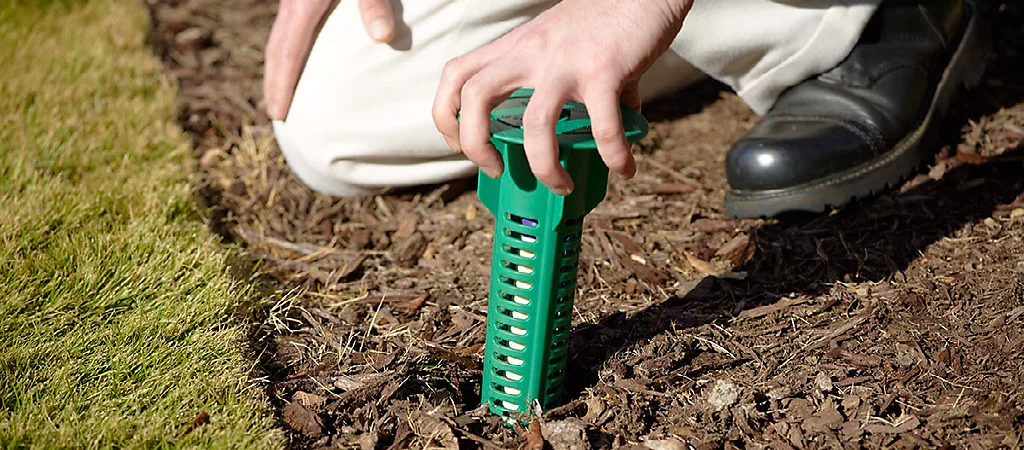
- Environmentally responsible. Has little or no impact on human health, low toxicity to birds, fish, and plants; and little potential for groundwater contamination.
- Once installed, it creates a barrier around your property so that termites take the bait back to their colony and keep them away from your structure.
- Eliminates entire termite colonies, including the queen.
- The Latest technology in Termite Colony Elimination.
- There no drilling into slab and no trenches.
- Total peace of mind with year around termite protection.
- TORO’s Board Certified Entomologist Certified Trained Technicians which specialize in Termite Baiting Technology will provide you with the results you can count on.

110% Satisfaction Guaranteed
If the bugs come back, so will TORO at no additional cost to you. TORO will respond with in 24 hours Guaranteed. Our technician will arrive quickly and deal with the pest problem to prevent recurrence.