
Southern chinch bug
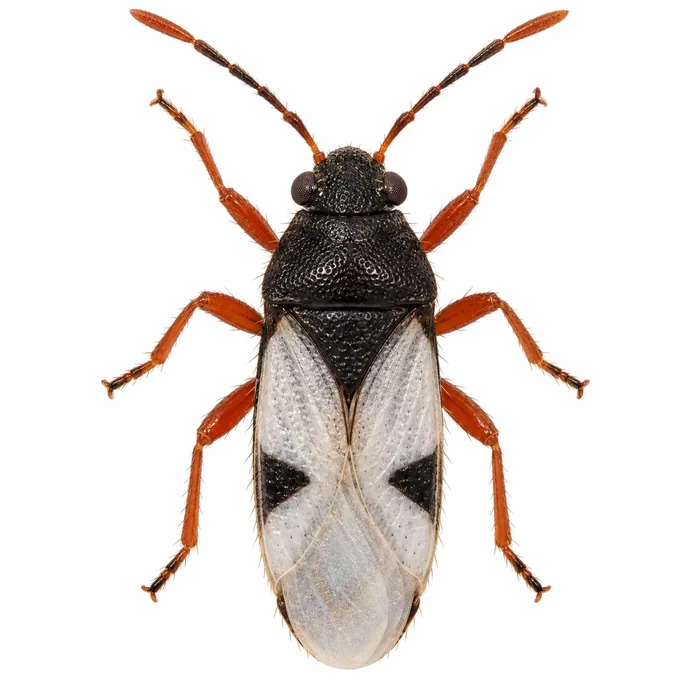
The southern chinch bug (Blissus insularis) is a small sap-feeding insect and, according to UF/IFAS, the most damaging insect pest of turfgrass in Florida, especially St. Augustinegrass. In South Florida it can go through about 7 to 10 generations a year and damage lawns in any season, turning sunny, dry patches yellow and then brown.
- Since 1969Third generation, protecting South Florida
- 110% GuaranteeIf the bugs come back, so will Toro, at no additional cost
- Within 24 HoursResponse guaranteed
- Free InspectionPlus $25 off your first service
What Are Chinch Bugs?
The southern chinch bug, Blissus insularis, is a small true bug that feeds on grass sap through piercing-sucking mouthparts, like drinking through a straw. UF/IFAS calls it the most damaging insect pest of turfgrass in Florida and the most damaging insect pest of St. Augustinegrass in the United States. Its main host is St. Augustinegrass, which covers more than two million acres of Florida lawns, and it can also attack zoysiagrass.
South Florida is where the problem is most intense. UF/IFAS reports that the most severe chinch bug damage in Florida happens in the central and southern counties. In north Florida, chinch bugs go through about 3 to 4 generations a year, with activity running roughly from March to October. In South Florida, the warm climate allows about 7 to 10 generations a year, and chinch bugs can damage lawns year-round. That is why lawns from Homestead to Miami-Dade, Broward and Palm Beach counties need attention in every season, not just summer.
Chinch bug outbreaks cost Florida homeowners and lawn professionals millions of dollars each year in control and turf replacement, according to UF/IFAS.
How to Identify Chinch Bugs
Chinch bugs are small, but you can see them with the naked eye if you know where to look.
- Adults. About 1/5 to 1/4 inch (5 to 6 mm) long, roughly the size of a grain of rice. They are dark and oval-shaped, with white wings folded across the back and a black spot on each forewing margin. Some adults are long-winged and others short-winged.
- Nymphs. Newly hatched nymphs look like small, wingless adults. Young nymphs are bright orange to red with a white stripe across the abdomen, and they turn darker, then black, as they molt and grow.
- Eggs. Tiny, oval and pale white, turning amber and red before they hatch. They are laid on the grass near the soil line.
- Where to look. In the thatch, between leaf sheaths and at the base of the grass, at the border between brown and green turf.
Chinch bugs vs. big-eyed bugs. UF/IFAS warns that big-eyed bugs, which are beneficial insects that prey on chinch bugs, are easily confused with them; the big-eyed bug looks similar but has much larger eyes. It is one of the most numerous chinch bug predators in St. Augustinegrass, so it is worth having a professional confirm what you found before treating.
How to check your lawn. UF/IFAS describes several simple methods:
- Part the grass at the edge of a yellowing patch and look at the thatch and soil surface. Chinch bugs are most active on warm, sunny mid-afternoons.
- Use a handheld vacuum on about 1 square foot of grass that includes dead and living turf, then empty it onto white paper or a light tray.
- Try the flotation method: push an open-ended metal can or cylinder 2 to 3 inches into the soil at the edge of the damage, fill it with water and count the bugs that float up within five minutes. Repeat in several spots.
UF/IFAS considers roughly 20 to 25 chinch bugs per square foot enough to justify an insecticide application.
Life Cycle and Behavior
A female southern chinch bug lays more than 250 eggs on average over her lifetime, a few a day over many weeks. In warm weather the eggs hatch in about one to three weeks, and in winter it can take a month or more. Nymphs take roughly 4 to 13 weeks to become adults, and adults usually live from several weeks to about three months, according to UF/IFAS studies.
Chinch bugs live and feed in groups. A cluster of nymphs and adults drains the sap from one sprig until it withers, then moves along the stolon to the next one. That is why the damage spreads outward from a center. Although adults can fly, most chinch bugs move on foot, and UF/IFAS has recorded them walking over 400 feet in less than an hour. A population usually stays in the same area of the lawn all year, and spring infestations often start right where the previous season’s damage stopped.
Chinch bugs feed from the thatch down to about 1.5 inches into the upper layer of soil. Thick thatch gives them shelter, which is why lawns that get too much water and fertilizer, and build up thatch, often have more problems.
Signs of Chinch Bug Damage
- Patches of yellowing St. Augustinegrass that quickly turn brown, usually roughly circular and spreading outward.
- Damage that starts in full sun, along the edges of driveways, sidewalks and curbs, or in spots the sprinklers miss.
- Patches with a dead, bare center surrounded by yellow grass.
- Damage on high, dry, sandy or shell soil, which UF/IFAS identifies as especially vulnerable.
- Patches that keep growing even after you water.
- Tiny black-and-white bugs or orange nymphs at the border between brown and green grass, sometimes running over the blades when numbers are high.
- Weeds moving into thinning areas, because dead turf lets sunlight reach the soil.
Chinch Bugs or Something Else? Look-Alike Lawn Problems
Not every brown patch is a chinch bug problem. UF/IFAS lists dehydration, root rot and other diseases, nematodes and other insects as causes of similar yellow or brown spots. Here is how the most common South Florida look-alikes compare, based on UF/IFAS guidance:
- Drought stress. Often mistaken for chinch bugs. Drought damage usually lines up with areas the irrigation system does not reach, and thirsty grass wilts, with leaf edges curling. Dry grass is also where chinch bugs attack first, so check for insects even if you suspect drought.
- Large patch (fungus). Caused by the fungus Rhizoctonia solani. It usually shows up when temperatures drop below 80°F, typically between November and May, and is favored by moisture, rainfall and overwatering. Look for round patches with darker, sometimes orange borders and sunken brown centers. Leaves pull easily from the stems, and the base looks dark and rotted.
- Take-all root rot (fungus). Irregular yellow or light green patches, from a few inches to a few feet across, that turn brown and spread outward. UF/IFAS reports it mostly in summer and early fall during prolonged rainy periods. Fungicides work only as a preventive; once symptoms show, cultural practices matter more.
- Tropical sod webworms (caterpillars). Herpetogramma phaeopteralis caterpillars chew the leaves rather than sucking sap. Early on you may see “window feeding,” where the leaf surface is scraped away; later the blades look ragged and shorter, with piles of bright green droppings and small tan moths flying up as you walk. In South Florida they can be found year-round.
When the cause is not clear, UF/IFAS recommends testing living grass from the edge of the problem, since a lab cannot tell what killed grass that is already dead.
Why Chinch Bugs Are a Problem
Chinch bug feeding drains the sap from the grass, so St. Augustinegrass withers from green to yellow to brown and dies. UF/IFAS is direct about it: the grass will die if the pest is not controlled. In a South Florida yard, that can mean replacing sod, a costly repair, especially when an outbreak spreads across a lawn during the dry season or summer heat.
Chinch bugs are also hard to control. UF/IFAS reports that repeated use of the same chemistry has produced Florida populations resistant to pyrethroids, neonicotinoids, organochlorines and organophosphates. Outbreaks often need repeated applications, and products should be rotated by mode of action. Resistant grass varieties help less than many people expect: Floratam was released in 1973 as chinch bug resistant, but Florida populations adapted to it within about 12 to 15 years.
For HOAs, condo associations and commercial properties with large areas of St. Augustinegrass, a single untreated area can keep reinfesting the rest of the turf.
Where Chinch Bugs Hide in South Florida Lawns
- In the thatch. The layer of dead and living stems between the grass blades and the soil is their main habitat.
- Between leaf sheaths and at the base of the grass, near the soil line where eggs are laid.
- In sunny, open areas. Front lawns, swales and medians that get full sun all day.
- Along hot edges. Next to driveways, sidewalks, curbs and pool decks, where pavement heats and dries the turf.
- In dry spots. Areas the sprinklers miss and lawns on sandy or shell soil, common in coastal neighborhoods and the Keys.
- At the edge of last season’s damage, where spring infestations often start.
When Chinch Bugs Are Most Active in South Florida
| Season | Chinch bug activity | What to watch for |
|---|---|---|
| January to April (dry season) | Chinch bugs stay active in South Florida's mild winter; dry, water-stressed turf is attacked first | Check irrigation coverage; large patch fungus is also common in cool weather (below 80°F, November to May). |
| May to October (rainy season) | Warm, damp summers favor chinch bugs, and infestations often peak in summer | Inspect sunny areas and lawn edges every few weeks; sod webworms are also active spring to fall. |
| June to November (hurricane season) | Warm weather continues, and stressed turf remains at risk | Avoid heavy nitrogen fertilizer, which UF/IFAS links to more chinch bugs. |
| Year-round | About 7 to 10 generations a year in South Florida; damage is possible in any month | Act early on yellowing patches before they turn brown. |
How to Prevent Chinch Bugs
UF/IFAS recommends these cultural practices to keep St. Augustinegrass healthy and less attractive to chinch bugs:
- Mow high. Keep St. Augustinegrass at 3 to 4 inches, remove no more than one-third of the leaf blade at a time and use a sharp blade.
- Water when the lawn needs it. Irrigate when grass shows signs of wilt, such as curling leaf edges, and avoid both drought stress and overwatering. Check that sprinklers reach every part of the lawn.
- Fertilize in moderation. Large doses of quick-release nitrogen cause fast, soft growth and more chinch bugs. Slow-release fertilizers are a better choice.
- Manage thatch. Remove thick thatch by vertical mowing (verticutting) or power raking, or topdress with soil or sand similar to your site’s soil.
- Leave clippings. Grass clippings break down quickly and do not add to thatch.
- Protect beneficial insects. Big-eyed bugs and other predators help, so treat only where chinch bugs are confirmed.
- Consider resistant grass. Captiva resists chinch bug feeding, though availability is limited.
- Inspect often. Check sunny areas and lawn edges regularly, especially in summer.
How Toro Gets Rid of Chinch Bugs
- Lawn inspectionA Toro technician inspects your St. Augustine lawn, focusing on the edges of yellow and brown patches, sunny areas and spots near pavement, and checks the thatch for chinch bugs and nymphs.
- DiagnosisWe confirm whether the damage comes from chinch bugs or a look-alike such as drought stress, fungus or sod webworms, and we count the bugs to decide whether treatment is needed.
- Targeted treatmentThrough our lawn spray service, we treat the affected turf and the surrounding grass with power lawn sprays or granules, using products labeled for chinch bugs and applied according to their label directions.
- Follow-up and lawn care adviceWe return to monitor the lawn and recommend mowing, watering and fertilizing changes that make it less inviting to chinch bugs. Our 110% Satisfaction Guarantee means that if the bugs come back, so will Toro, at no additional cost to you.
Toro Pest Management has protected South Florida homes and businesses since 1969, from family lawns in Coral Gables and Hollywood to HOA common areas in Boca Raton and homes in Key West. We respond within 24 hours, guaranteed, the first inspection is free and new customers get $25 off their first service. Call 305-594-4767. Hablamos Español.
Seeing signs of southern chinch bug? Get a free inspection and $25 off your first service.
Schedule Your Free InspectionSouthern chinch bug: Frequently Asked Questions
What do chinch bugs look like?
Adult southern chinch bugs are about 1/5 inch long, roughly the size of a grain of rice, with a black body and white wings folded over the back, each with a black spot. UF/IFAS notes there are short-winged and long-winged adults. Young nymphs are smaller, wingless and orange to red with a white band across the back, and they darken as they grow.
How do I know if I have chinch bugs?
Look for yellowing patches that turn brown, usually starting in full sun or in dry spots. Then check the border between brown and green grass, parting the blades and looking in the thatch for black-and-white adults or orange nymphs. UF/IFAS also describes a flotation test: push an open-ended can a few inches into the soil at the edge of the damage, fill it with water and watch for bugs floating up within five minutes.
Is it chinch bugs or drought stress?
UF/IFAS warns that chinch bug damage is often mistaken for drought stress, which lets the damage spread. Drought tends to show up where sprinklers do not reach, and thirsty grass shows wilting, curled leaf edges. Chinch bug patches keep growing outward even after you water, and you can find the insects at the edges. Because dry grass is also where chinch bugs attack first, both problems often happen together.
What time of year are chinch bugs worst in South Florida?
Chinch bugs thrive in warm weather, and UF/IFAS reports infestations often peak in summer. In South Florida, however, they can cause damage year-round, because the warm climate allows about 7 to 10 generations a year. Stressed lawns, such as turf in full sun, on dry sandy soil or with thick thatch, are at risk in any month, so regular inspections matter.
Will St. Augustine grass come back after chinch bug damage?
It depends on how far the damage has gone. UF/IFAS explains that infested St. Augustinegrass turns yellow and then dark brown, and the grass will die if the pest is not controlled. That is why it pays to act while patches are still yellow. Once the chinch bugs are under control, a technician can help you judge which areas are coming back and which may need new sod.
Can I get rid of chinch bugs myself?
Homeowners can do a lot to prevent outbreaks: mow St. Augustinegrass at the proper height, water only when the grass shows signs of wilt, avoid heavy nitrogen fertilizer and manage thatch. Treatment is harder. UF/IFAS reports that Florida chinch bug populations have become resistant to several insecticide classes, so products need to be rotated by mode of action, and repeated treatments are often needed.
Are there chinch bug resistant grasses?
Partly. UF/IFAS reports that Floratam St. Augustinegrass was resistant when it was released in 1973, but Florida chinch bug populations overcame that resistance within about 12 to 15 years. The cultivar Captiva resists chinch bug feeding, but its availability is limited. Choosing a resistant variety helps, but it does not replace good mowing, watering and fertilizing practices.
Related Pests
Pest Control Across South Florida
Toro treats southern chinch bug in homes and businesses throughout Miami-Dade, Broward and Palm Beach counties, including:
- Miami
- Hialeah
- Doral
- Miami Beach
- Coral Gables
- Homestead
- Fort Lauderdale
- Hollywood
- Pembroke Pines
- Miramar
- Boca Raton
- West Palm Beach
Last updated: October 29, 2026


110% Satisfaction Guaranteed
If the bugs come back, so will TORO at no additional cost to you. TORO will respond with in 24 hours Guaranteed. Our technician will arrive quickly and deal with the pest problem to prevent recurrence.

