
Whiteflies
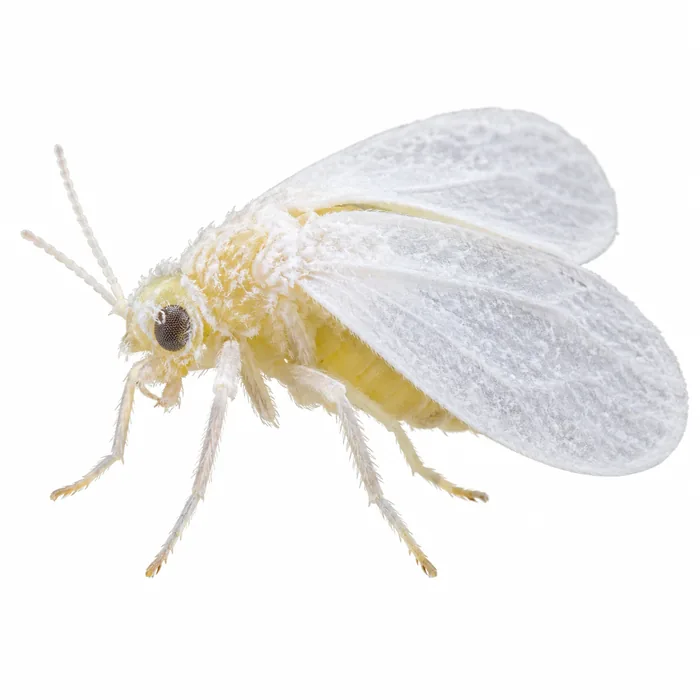
Whiteflies are tiny, sap-sucking insects that feed on the undersides of leaves, and several invasive species have become major landscape pests in South Florida since 2007. The ficus whitefly can strip a ficus hedge of its leaves within a few months, while the rugose spiraling whitefly covers palms and shade trees with white wax, sticky honeydew and black sooty mold that drips onto cars, patios and pools.
- Since 1969Third generation, protecting South Florida
- 110% GuaranteeIf the bugs come back, so will Toro, at no additional cost
- Within 24 HoursResponse guaranteed
- Free InspectionPlus $25 off your first service
What Are Whiteflies?
Whiteflies are not true flies. They are small sap-feeding insects in the order Hemiptera, family Aleyrodidae. Adults look like tiny white, gnat-sized flies and gather on the undersides of leaves, where females lay their eggs. The young stages (nymphs) are flat and mostly do not move; they insert needle-like mouthparts into the leaf and feed on plant sap, which weakens the plant. As they feed, whiteflies excrete honeydew, a clear, sticky liquid that becomes food for black sooty mold.
South Florida’s climate gives whiteflies a long breeding season. The ficus whitefly can develop from egg to adult in about 30 days during warm summer months, and populations rise from spring through summer and peak again in the fall. Several of the most damaging species are recent invaders. The ficus whitefly was first detected in the United States, in Florida, in 2007. The rugose spiraling whitefly was first reported in Miami-Dade County in 2009 and spread to at least 17 Florida counties. Bondar’s nesting whitefly was confirmed in Florida in late 2011 and soon turned up in southeast Florida counties, including Palm Beach.
The landscapes of Miami-Dade, Broward and Palm Beach suit them well: miles of ficus privacy hedges, coconut palms around pools and condos, gumbo limbo and black olive shade trees, and backyard mango and avocado trees. Read more: Whiteflies in South Florida, signs of infestation
How to Identify Whiteflies
- Adults: tiny, white-winged insects that fly up in a cloud when you shake the plant. Ficus whitefly adults are 1.3 to 1.6 mm long, with a pale yellow body, dark red eyes and white wings with grayish markings.
- Rugose spiraling whitefly adults: about 2.5 mm, roughly three times larger than common whiteflies, with a pair of irregular light brown bands across the wings.
- Eggs: rugose spiraling whitefly eggs are laid in circular or spiral patterns on leaf undersides, covered with white wax. Ficus whitefly eggs are nearly transparent and laid along the leaf’s midvein.
- Nymphs: flat, oval and often translucent tan to light green. Rugose spiraling whitefly nymphs are light to golden yellow and produce dense, cottony wax.
- Clues on the plant: white waxy “flocks,” sticky honeydew, black sooty mold, white ovals on leaf undersides (eggs or pupal cases) and small silvery shed skins.
Look-alikes: early ficus whitefly nymphs look more like soft scale nymphs than typical whiteflies, aphids also produce honeydew that feeds sooty mold, and UF/IFAS Extension in Palm Beach County warns not to confuse whitefly wax with powdery mildew, a separate fungal problem. Confirming the insect before treating is the first step.
Whitefly Species in South Florida
Ficus Whitefly
Singhiella simplex attacks Ficus, especially weeping fig (Ficus benjamina) hedges, and also banyans. Its nymphs can be found on both the upper and lower surfaces of the leaves. Defoliation can follow just 2 to 3 months of infestation, which is why bare ficus hedges became so common across South Florida.
Rugose Spiraling Whitefly
Aleurodicus rugioperculatus, native to Central America, has been recorded on at least 118 plants, most often palms (especially coconut), gumbo limbo, Calophyllum, avocado, black olive and mango. It produces heavy white wax and large amounts of honeydew and sooty mold.
Bondar's Nesting Whitefly
Paraleyrodes bondari, native to Brazil, is the second most common whitefly on ficus hedges in Florida. It also attacks hibiscus, guava, citrus, avocado and palms. Young nymphs have a transparent wax "skirt," and white wax strands build up as they mature.
Silverleaf Whitefly
Bemisia tabaci feeds on more than 1,000 plant species, including vegetables and ornamentals such as hibiscus, lantana and mandevilla. It can transmit more than 120 plant viruses, including tomato yellow leaf curl virus, and one biotype has been found at homes in Miami-Dade and Palm Beach counties.
Signs of a Whitefly Problem
- Ficus hedges that turn yellow, drop leaves in large amounts and thin out, sometimes with branch dieback.
- A cloud of small white insects when you brush or shake the plant.
- White waxy material on leaf undersides, sometimes in spirals or cottony masses.
- Sticky honeydew on leaves, cars, patio furniture, pavers and pool decks.
- Black sooty mold coating leaves, palm fronds and anything underneath.
- Ants or wasps traveling up trunks and stems, attracted to the honeydew.
- Debris in the pool and clogged pool filters below infested trees.
Why Whiteflies Are a Problem
Whiteflies do their damage by sucking sap from leaves. On ficus, UF/IFAS lists leaf yellowing, leaf drop, honeydew, sooty mold, branch dieback, stunting and wilting, and heavy infestations can kill plants. Defoliated hedges usually grow back, but repeated defoliation can kill them, and losing a mature privacy hedge is costly and slow to replace.
The rugose spiraling whitefly is usually more of a mess than a killer. UF/IFAS notes it usually does not kill the host plant, but its honeydew, wax, sooty mold and dead whiteflies create a nuisance on cars, patios and furniture, and material falling into pools can affect water chemistry and clog filters. Thick layers of sooty mold can also block sunlight and interfere with photosynthesis. UF/IFAS reported management costs of about $28 to $40 per tree per year for foliar or drench treatment and about $50 per tree per year for injection (2013 estimates). Read more: The whitefly sooty mold problem in South Florida
The honeydew also attracts ants and wasps, which protect the whiteflies from their natural enemies.
Where Whiteflies Hide in South Florida Homes and Businesses
- Leaf undersides, where adults rest and eggs and nymphs develop.
- Ficus hedges along property lines, pool enclosures and condo perimeters.
- Palms, especially coconut palms around pools, parking lots and entrances.
- Shade and street trees such as gumbo limbo, black olive and Calophyllum, including swale trees in front of homes.
- Fruit trees and ornamentals: mango, avocado, guava, citrus, hibiscus and other landscape shrubs.
- Common areas of HOAs, condo associations, office parks, hotels and shopping centers, where one untreated area can reinfest the rest.
Who treats what matters in South Florida communities. UF/IFAS notes that homeowners may apply non-restricted pesticides only on their own property, not beyond the property line, and that homeowners are often responsible for the swale trees in front of their homes. Anyone paid to apply pesticides in Florida must be licensed, and plants in HOA common areas, rights-of-way and commercial properties require a licensed pest control company. For condo boards and property managers, that makes a single, coordinated plan for the whole community more effective than each owner treating on their own.
Sooty mold and wax do not vanish the day the whiteflies are controlled. UF/IFAS explains that the white waxy material, honeydew and sooty mold usually wear off over time once the infestation is under control, and pressure washing is commonly used to clean walls, pavers and pool decks.
When Whiteflies Are Most Active in South Florida
| Season | Whitefly activity | What to do |
|---|---|---|
| Winter (December to February) | Development slows in cooler weather, but whiteflies remain on hedges and palms | Scout leaf undersides and plan treatments before populations build. |
| Spring (March to May) | Populations begin to rise; early spring is a common time for preventive systemic treatments in South Florida | Inspect ficus hedges and palms and schedule service before damage appears. |
| Summer and rainy season (June to September) | Fastest development, about 30 days from egg to adult for the ficus whitefly; honeydew and sooty mold build up | Keep plants watered and fertilized properly and watch for leaf drop and sticky surfaces. |
| Fall (October to November) | Ficus whitefly populations peak again | Keep monitoring and spot-treat hotspots before winter. |
How to Prevent Whiteflies
- Scout regularly. UF researchers call regular scouting critical. Check the undersides of ficus and palm leaves for eggs, nymphs and wax, not only adults.
- Keep plants healthy. Drought, poor planting and other stresses make infestations worse; water and fertilize properly, but avoid overwatering.
- Protect beneficial insects. Ladybird beetles, parasitic wasps and lacewings already attack whiteflies in Florida yards. Avoid unnecessary broad-spectrum sprays that kill them.
- Handle trimmings carefully. Leave ficus trimmings on site or bag them before disposal so you do not spread whiteflies.
- Rinse small infestations with a strong stream of water, removing eggs and nymphs as well as adults.
- Coordinate with neighbors and your HOA. Adult whiteflies move between properties, and UF researchers recommend area-wide management plans. Read more: How whiteflies impact HOA communities
- Avoid common treatment mistakes: waiting too long, removing the hedge in a panic, rotating between products with the same mode of action and missing the leaf undersides. Read more: The common mistakes in whitefly treatments
How Toro Gets Rid of Whiteflies
- InspectionA Toro specialist inspects your ficus hedges, palms, shade trees and ornamentals, checking leaf undersides for eggs, nymphs, wax and honeydew, ideally before the plants start losing leaves.
- IdentificationWe confirm which whitefly is present, since the ficus whitefly, rugose spiraling whitefly and Bondar's nesting whitefly attack different plants, and we separate live infestations from old pupal cases, sooty mold and other insects.
- Targeted treatmentThrough our whitefly control service, we treat the infested plants with methods suited to the species, plant and property, applied according to label directions.
- Monitoring and follow-upWe keep monitoring the plants for new activity and reinfestation from neighboring properties and treat hotspots as needed. Our 110% Satisfaction Guarantee means that if the bugs come back, so will Toro, at no additional cost to you.
Toro has protected South Florida landscapes, homes and businesses since 1969, from Coral Gables and Miami Beach to Hollywood and West Palm Beach. We work with homeowners and property managers on HOA common areas, and our lawn spray service covers lawn pests too. Read more: Dealing with whiteflies: how professional pest control can help. We respond within 24 hours, guaranteed, and offer a free inspection plus $25 off your first service. Call 305-594-4767. Hablamos Español.
Seeing signs of whiteflies? Get a free inspection and $25 off your first service.
Schedule Your Free InspectionWhiteflies: Frequently Asked Questions
How do I know if my ficus hedge has whiteflies?
Look for leaves that wilt, turn yellow and drop, and for thinning hedges. Turn the leaves over: UF/IFAS describes tiny flat, tan to light green oval nymphs with red eyes and small silvery spots, which are shed skins. When you shake the hedge, a cloud of small white, gnat-sized flies rises. Because the ficus whitefly takes several generations to reach damaging levels, catching it early makes a big difference.
Will whiteflies kill my ficus hedge or palm trees?
Usually not, if the plants are managed in time. UF/IFAS notes that whiteflies typically do not kill large, healthy trees, shrubs or palms, and defoliated ficus hedges usually grow back. However, plants can die after several rounds of defoliation, and very young, newly planted or stressed plants are more at risk under heavy infestation. Waiting too long is one of the most common mistakes.
How do I get rid of sooty mold?
Sooty mold is a black fungus that grows on the honeydew whiteflies excrete. UF/IFAS says it is not a plant disease, eventually wears off and is commonly removed by pressure washing. The key is controlling the whiteflies first, because new honeydew keeps feeding the mold. Wash honeydew off cars and painted surfaces promptly, since it can damage finishes if left on.
Can I treat whiteflies myself?
On your own property, small infestations can be rinsed off with water, and insecticidal soaps or horticultural oils can help if you coat the leaf undersides thoroughly and repeat every 7 to 10 days. UF/IFAS notes that homeowners may only treat their own property; HOA common areas, rights-of-way and commercial properties require a licensed pest control company.
How long does whitefly treatment take to work?
It depends on the method. According to UF/IFAS Extension, foliar sprays give quick knockdown but usually do not last long, while soil or trunk applications of systemic products can provide roughly 6 to 12 months of control. Wax, sooty mold and leaf drop do not disappear right away, so plants may look bad for a while even after the whiteflies are under control.
Why do whiteflies keep coming back after treatment?
Researchers point to several reasons: adult whiteflies fly in from untreated neighboring properties, sprays miss live immatures on the undersides of leaves, and treatments are repeated with products that share the same mode of action, which can lead to resistance. Old empty pupal cases with emergence holes can also be mistaken for a live infestation. Coordinated, area-wide management helps.
Why are whiteflies so bad in South Florida?
South Florida's warm climate lets whiteflies breed year-round, and the ficus whitefly can go from egg to adult in about 30 days in summer. The region is also full of their favorite hosts: ficus hedges, coconut palms, gumbo limbo, black olive and fruit trees. Several of these whiteflies are recent invaders, first detected in Florida between 2007 and 2011.
Related Pests
Pest Control Across South Florida
Toro treats whiteflies in homes and businesses throughout Miami-Dade, Broward and Palm Beach counties, including:
- Miami
- Hialeah
- Doral
- Miami Beach
- Coral Gables
- Homestead
- Fort Lauderdale
- Hollywood
- Pembroke Pines
- Miramar
- Boca Raton
- West Palm Beach
Last updated: October 29, 2026


110% Satisfaction Guaranteed
If the bugs come back, so will TORO at no additional cost to you. TORO will respond with in 24 hours Guaranteed. Our technician will arrive quickly and deal with the pest problem to prevent recurrence.

