
Flies
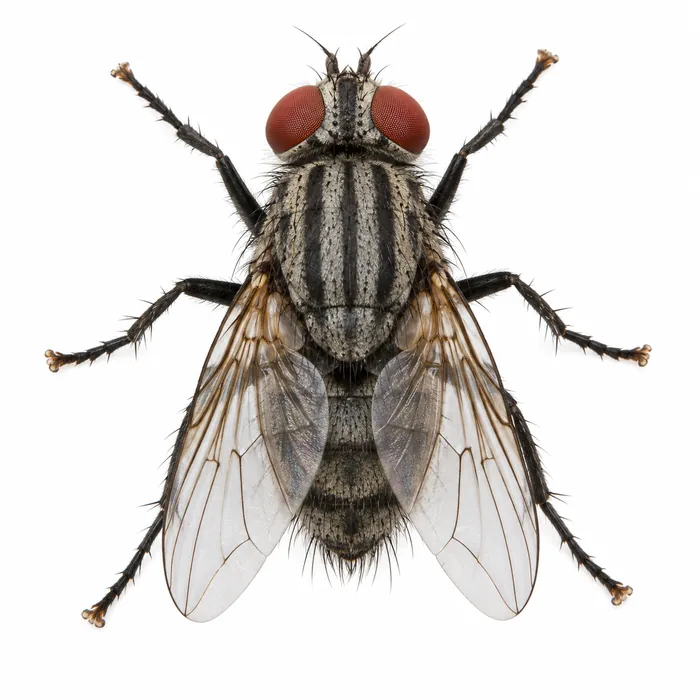
Flies are among the most common pests in South Florida homes, restaurants and commercial kitchens, and most of them are breeding much closer than you think: in a drain, a garbage can, a bag of overripe fruit or a dead animal in a wall. Because South Florida stays warm all year, house flies and small drain and fruit flies can go from egg to adult in about a week to a few weeks, so finding and removing the breeding source is the key to control.
- Since 1969Third generation, protecting South Florida
- 110% GuaranteeIf the bugs come back, so will Toro, at no additional cost
- Within 24 HoursResponse guaranteed
- Free InspectionPlus $25 off your first service
What Are Flies?
Flies are insects in the order Diptera, which means “two wings.” Unlike most other winged insects, adult flies have only one pair of flight wings. They go through complete metamorphosis: egg, larva (the maggot), pupa and adult. The adult flies you see are only the last stage. The eggs, maggots and pupae live in the breeding material, and that material is where control has to start.
Different flies breed in different places. House flies breed in garbage, food waste and manure. Drain flies and phorid flies breed in the slimy organic film inside drains and pipes. Fruit flies breed in overripe or fermenting produce and sticky spills. Blow flies breed in dead animals and other decaying matter. If you know which fly you have, you know where to look.
South Florida’s climate keeps flies going all year. UF/IFAS notes that house flies can produce more than 20 generations a year in subtropical and tropical regions, compared with 10 to 12 in temperate regions. Warm temperatures speed up the development of drain flies and fruit flies too. Add Miami-Dade, Broward and Palm Beach’s density of restaurants, hotels, condos and food businesses, and flies have food and breeding sites in every season.
How to Identify Flies
Start with size, color and where you see them:
- Gray, about 1/4 inch, with four dark stripes on the back, landing on food and windows: house fly.
- Shiny metallic green or blue, a bit larger than a house fly, appearing suddenly in a room: blow fly (green bottle or blue bottle fly).
- Tiny and fuzzy, with mottled hairy wings, resting on bathroom walls or near showers and drains: drain fly, also called moth fly.
- Tiny, tan with red eyes, hovering around fruit, trash, wine or soda: fruit fly, also called vinegar fly.
- Tiny, dark, with a humped back, active near drains, floors and toilets: phorid fly, also called humpbacked fly.
Small flies are easy to confuse with each other. Catching a few on tape or in a sealed bag lets a professional identify them.
Fly Species in South Florida
House Fly
Musca domestica. About 1/4 inch long, gray with four narrow black stripes on the thorax and reddish eyes. Each female lays up to 500 eggs in batches of 75 to 150, and in warm weather the cycle from egg to adult can take only 7 to 10 days. Adults usually live 15 to 25 days. House flies breed in garbage, kitchen waste, fermenting vegetables and manure.
Drain Fly (Moth Fly)
Psychoda species. About 1/8 to 3/16 inch long, with short, dense hair-like scales on the wings that give them a fuzzy, mottled look. Larvae feed on the film of wet organic material that builds up inside drains and in sewage. Adults are weak fliers that hop and make short flights, rest on bathroom walls and showers, and do not bite. Development takes about 21 to 27 days, faster in warm weather.
Fruit Fly (Vinegar Fly)
Drosophila species. About 1/8 inch long, tan or yellowish brown with reddish eyes. Fruit flies breed in overripe or rotting produce, drains with gelatinous buildup, garbage disposals, recycling bins, wet mops and food debris under kitchen equipment. A female can lay about 500 eggs, and the cycle from egg to adult takes about a week.
Phorid Fly (Humpbacked Fly)
Species such as Megaselia scalaris. About 1/8 inch long, with a raised hump behind a small head and brown eyes. Phorid flies breed in moist decaying organic matter in drains, leaking pipes, crawl spaces and under foundations. Large numbers on a ground floor can point to a broken drain or sewer line under the building. A generation takes about 3 weeks at room temperature.
Blow Flies (Bottle Flies)
Family Calliphoridae, including green bottle and blue bottle flies. Shiny metallic green or blue and about 1/4 to 3/8 inch long. They develop in dead animals, manure and other decaying matter. A sudden swarm of blow flies indoors usually means a dead rodent, bird or other animal in a wall, attic or ceiling void.
What about cluster flies? Cluster flies are dark gray flies slightly larger than house flies whose maggots develop in earthworms. They are mainly a pest of colder, northern states, where they gather inside houses to spend the winter, so they are rarely the culprit in South Florida. If you see flies clustering at windows or light fixtures, have a sample identified so the treatment matches the fly. Read more: How to get rid of cluster flies in your house.
Signs of a Fly Problem
- Flies landing on food, counters, windows and trash cans
- Tiny flies hovering over fruit bowls, recycling bins, drains or garbage disposals
- Fuzzy moth-like flies resting on bathroom walls or around shower drains
- Small dark flies on floors or around toilets and floor drains
- Slimy, dark buildup inside sink, floor or shower drains
- Maggots in garbage cans, dumpsters or under kitchen equipment
- A sudden swarm of metallic green or blue flies, which can mean a dead animal nearby
Why Flies Are a Problem
Health concerns. UF/IFAS explains that house flies can carry viruses, bacteria, fungi, protozoa and nematodes picked up from garbage, sewage and other filth. Pathogens associated with house flies include Salmonella, Shigella, Campylobacter and Escherichia, and the flies have been linked with diarrheal illnesses, food poisoning and other diseases. Blow flies can also contaminate food, especially meat and fish.
Drain flies are different. UF/IFAS notes that they are not known to transmit pathogens and do not bite, although very large infestations may cause respiratory problems because fine hair-like scales from their bodies and wings can be inhaled.
Business impact. For restaurants and food service, food processors, hotels and health care facilities, flies near food and patients are a sanitation concern and a problem during health inspections and customer visits. Fly control in these businesses depends on sanitation, drain maintenance, exclusion and monitoring working together. Our commercial pest control programs are built around that.
A sign of something else. Flies often point to another problem: a broken sewer line, a clogged floor drain, a garbage area that needs better management or a dead rodent that came from a rat problem in the attic or crawl space.
Where Flies Breed in South Florida Homes and Businesses
- Drains. Kitchen sinks, floor drains, shower drains, overflow drains, mop sinks and drains under kitchen equipment. The organic film inside the pipe feeds drain fly, fruit fly and phorid fly larvae.
- Broken pipes and sewer lines. Leaks under slabs and in crawl spaces can let organic waste pool where phorid flies breed.
- Garbage and recycling. Indoor trash cans, dumpsters, grease bins, compactors and unrinsed bottles and cans.
- Produce and food storage. Overripe bananas, tomatoes, mangoes, potatoes and onions, and spilled juice under refrigerators.
- Kitchen equipment. Food debris under and behind fryers, ovens, prep tables and dish stations, plus wet mops and cleaning rags.
- Outdoors. Pet waste, compost, fallen fruit from backyard mango and avocado trees, and garbage cans by the door.
- Dead animals. Rodents, birds or other animals that died in a wall, attic, ceiling or crawl space.
When Flies Are Most Active in South Florida
Flies are active every month in South Florida, but heat and rain change how fast they build up.
| Season | Fly activity | What to do |
|---|---|---|
| December to April (dry season, tourist season) | Steady breeding indoors; busy restaurants, hotels and events produce more food waste | Empty garbage often, clean drains on a schedule and keep dumpster lids closed. |
| May to October (rainy season and summer heat) | High temperatures shorten the life cycle, so populations build quickly; garbage and fallen fruit rot fast | Increase garbage pickup and cleaning, rinse recyclables and pick up fallen fruit. |
| June to November (hurricane season) | Power outages spoil food, storm debris collects and drains can back up | Throw out spoiled food quickly and in sealed bags, and clear debris and standing organic matter. |
| Year-round (any time) | Sudden blow fly activity after a rodent dies in a wall or attic | Find and remove the dead animal, then fix the rodent problem. |
How to Prevent Flies
- Manage garbage. Use garbage cans and dumpsters with tight-fitting lids, clean them regularly, seal garbage in plastic bags and, as UF/IFAS recommends for businesses, place dumpsters and trash receptacles as far from building entrances as possible.
- Clean drains. Scrub the inside of drains with a stiff pipe brush and flush them. Do not forget floor drains, mop sinks and drains under equipment.
- Fix leaks. Repair leaking pipes and drains so water and waste cannot pool.
- Handle produce properly. Eat, refrigerate or discard ripe fruit and vegetables, and clean up spills of juice, soda, beer or wine.
- Rinse recyclables. Rinse cans, jars and bottles before putting them in the bin.
- Keep kitchens clean. Clean under and behind appliances and equipment, and wash or dry mops and rags.
- Screen and close. Keep window and door screens tight and in good repair, and keep doors closed.
- Use traps the right way. Traps and fly lights help monitor and reduce adults, but they do not remove breeding sites. UF/IFAS advises placing indoor ultraviolet light traps about one for every 30 feet of wall and not within five feet of food preparation areas.
For more do-it-yourself ideas, read Top home remedies that keep flies at bay.
How Toro Gets Rid of Flies
- InspectionA Toro technician inspects kitchens, bathrooms, drains, garbage areas, storage rooms and the outside of your home or business to find where the flies are breeding and how they get inside.
- IdentificationWe identify the fly, because house flies, drain flies, fruit flies, phorid flies and blow flies all breed in different places and need different solutions.
- Source removal and targeted treatmentWe focus on the breeding source, including drain cleaning for drain flies and fruit flies, and recommend sanitation, garbage and exclusion steps. Where treatment is needed, we use products chosen for the situation and applied according to their label directions.
- Monitoring and follow-upWe check results and adjust the plan, especially in restaurants and commercial kitchens. Our 110% Satisfaction Guarantee means that if the bugs come back, so will Toro, at no additional cost to you.
Toro Pest Management has helped South Florida homes and businesses with flies since 1969, from Doral and Miami Beach to Fort Lauderdale and Boca Raton. Our commercial pest control serves restaurants, food processors, hotels and health care facilities, and our residential pest control protects homes and condos. We respond within 24 hours, guaranteed. Call 305-594-4767 for a free inspection and $25 off your first service. Hablamos Español.
Seeing signs of flies? Get a free inspection and $25 off your first service.
Schedule Your Free InspectionFlies: Frequently Asked Questions
Why do I suddenly have so many flies in my house?
A sudden burst of flies almost always means they are breeding indoors or right next to the house. Large, metallic green or blue flies often come from a dead rodent or other animal in a wall, attic or crawl space. Tiny flies usually come from a drain, garbage disposal, overripe fruit, a recycling bin or a wet mop. Find and remove the source and the flies usually stop.
What is the difference between drain flies and fruit flies?
Drain flies, also called moth flies, look fuzzy and mottled because of the dense hair-like scales on their wings. They rest on bathroom walls and showers and fly weakly. Fruit flies are tan with red eyes, about 1/8 inch long, and hover around fruit, trash and drinks. Both can breed in drains, so taping a clear bag or tape over the drain overnight shows which drain is the source.
Are house flies dangerous?
They can spread germs. UF/IFAS explains that house flies pick up viruses, bacteria, fungi, protozoa and parasitic worms from garbage, sewage and other filth, and have been associated with pathogens such as Salmonella, Shigella and E. coli. They land on food and surfaces after feeding on waste, which is why fly control matters most in kitchens, restaurants and health care facilities.
How do I get rid of drain flies?
Clean the drain itself. UF/IFAS recommends scraping out the slimy film of organic material inside the pipe with a stiff metal pipe brush, then flushing it with boiling water. Sprays kill only the adults you see. To confirm which drain they come from, tape over it for 24 hours and check the tape. Floor drains, overflow drains and drains under equipment are common sources in businesses.
Can I get rid of flies myself?
Often, yes, if you find the breeding site. Take out garbage frequently, keep lids tight, refrigerate ripe fruit, rinse recyclables, clean drains with a brush and repair window screens. If flies keep coming back, the source may be hidden: a broken drain or sewer line under the floor, a dead animal in a wall or buildup under kitchen equipment, which a professional inspection can help locate.
Why are there small flies coming from my floor or near the toilet?
Small flies near floors, toilets and floor drains are often phorid flies or drain flies. The University of Maryland Extension notes that very large numbers of small black flies on a building's first floor may indicate a broken drain or sewer line under the structure, where organic matter builds up. Those breeding sites have to be found and repaired, which is why drain inspection is part of fly control.
How long does it take to get rid of flies?
Once the breeding source is removed, adults usually die off within days to a few weeks, because house flies usually live about 15 to 25 days and adult drain flies a week or less. Flies will keep emerging as long as the source remains. Restaurants and commercial kitchens usually need ongoing sanitation, drain maintenance and monitoring to keep numbers down.
Related Pests
Pest Control Across South Florida
Toro treats flies in homes and businesses throughout Miami-Dade, Broward and Palm Beach counties, including:
- Miami
- Hialeah
- Doral
- Miami Beach
- Coral Gables
- Homestead
- Fort Lauderdale
- Hollywood
- Pembroke Pines
- Miramar
- Boca Raton
- West Palm Beach
Last updated: October 29, 2026


110% Satisfaction Guaranteed
If the bugs come back, so will TORO at no additional cost to you. TORO will respond with in 24 hours Guaranteed. Our technician will arrive quickly and deal with the pest problem to prevent recurrence.

