
German cockroach
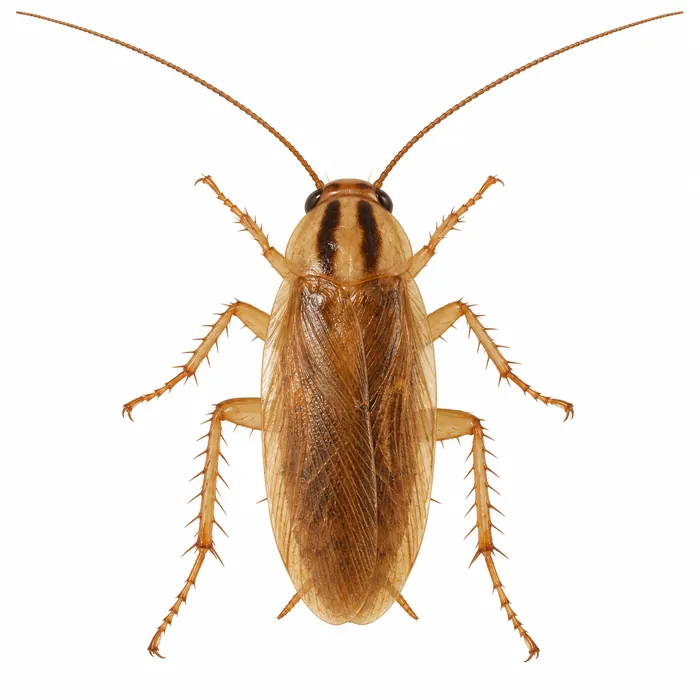
The German cockroach (Blattella germanica) is the small brown roach with two dark stripes behind its head that infests kitchens, bathrooms, apartments and restaurants. It lives and breeds only indoors, multiplies very quickly and can become resistant to insecticides, so a few roaches under the sink can turn into a building-wide problem in South Florida's condos and multifamily homes.
- Since 1969Third generation, protecting South Florida
- 110% GuaranteeIf the bugs come back, so will Toro, at no additional cost
- Within 24 HoursResponse guaranteed
- Free InspectionPlus $25 off your first service
What Are German Cockroaches?
The German cockroach, Blattella germanica, is the most abundant indoor cockroach and the species that typically infests South Florida kitchens, apartments and condos. Unlike the big palmetto bugs that live in mulch, palms and sewers and only wander indoors, the German cockroach is a true indoor pest. University of Florida entomologists describe it as a species found worldwide in association with humans that cannot survive away from human activity.
UF/IFAS reports that German cockroaches occur in structures throughout Florida and typically infest multifamily dwellings. That fits South Florida perfectly. Miami-Dade, Broward and Palm Beach counties are full of condos, high-rises, apartment complexes, hotels and restaurants where units share walls, plumbing, trash chutes and kitchens. Once German cockroaches are established in one apartment or one restaurant kitchen, they can move through the building.
Cold is the main thing that limits German cockroaches in other parts of the world. South Florida never gives them a winter break, and air-conditioned buildings with dishwashers, ice makers and leaky sinks give them warmth, food and water all year. What decides whether a population takes hold and grows is the availability of water, food and harborage (hiding places).
This page covers the German cockroach in depth. For the big outdoor roaches and the other species found in South Florida, see our cockroach guide and our page on the American cockroach.
How to Identify German Cockroaches
German cockroaches are small. Adults are about 10 to 15 mm long, roughly 3/8 to 9/16 inch, and brown to dark brown. The clearest field mark is on the pronotum, the shield behind the head: two distinct dark stripes run side by side along its length.
- Adults: Brown with two dark parallel stripes behind the head. Males are thin and slender with a tapered tip of the abdomen; females are stouter, with a rounded abdomen covered by the wings.
- Nymphs: Dark brown to black, wingless, with the same dark stripes. Seeing many nymphs means the roaches are breeding in your home or business.
- Egg case (ootheca): A tiny brown, purse-shaped capsule about 8 mm (1/3 inch) long. Females carry it attached to the abdomen until just before the eggs hatch.
German Cockroach vs. Look-Alikes
- Asian cockroach (Blattella asahinai). Almost identical to the German cockroach, and UF/IFAS notes that a practiced eye is needed to tell them apart. The key difference is behavior: the Asian cockroach lives outdoors, flies and is attracted to porch lights and lit windows in the evening. Outdoor cockroaches like it survive poorly indoors.
- Brown-banded cockroach (Supella longipalpa). Similar size, but with light bands across the body instead of two stripes behind the head. It prefers drier spots such as bedrooms, closets and upper cabinets.
- Palmetto bugs. American, smokybrown and Australian cockroaches are much bigger, measuring about 1 1/4 to 2 inches, and usually come in from outside.
If you are not sure what you are seeing, catch one in a sealed bag or photograph it. Identification matters, because an outdoor roach and a German cockroach need very different treatment.
Life Cycle and Behavior
German cockroaches go through incomplete metamorphosis: egg, nymph and adult. According to UF/IFAS:
- A typical egg case holds 30 to 40 eggs, and the female carries it until just before hatching. Nymphs often hatch while it is still attached to her.
- Nymphs usually molt six times and take about 60 days at room temperature to become adults.
- The whole life cycle takes about 100 days.
- They breed continuously, with many overlapping generations, so populations can grow exponentially.
- An actively growing population is about 80% nymphs and 20% adults.
Because most of a growing population is nymphs and eggs, killing the adults you can see does not end an infestation. The eggs and nymphs hidden in cracks keep the population going, which is why German cockroaches bounce back so quickly after a spray.
German cockroaches hide during the day in tight cracks. UF/IFAS notes that adults can squeeze into gaps about 1/16 inch wide but prefer spaces about 3/8 inch wide. They come out at night to feed on crumbs, grease, pet food, garbage and even book bindings. Water matters most: UF/IFAS reports that German cockroaches survive only about 12 days with food but no water, compared with about 42 days with water and no food. The highest concentration in a home is usually near the garbage can and the refrigerator.
Their droppings contain an aggregation pheromone that attracts other cockroaches to the same hiding spots. Scrubbing those areas with hot, soapy water removes it.
Insecticide Resistance and Bait Aversion
German cockroaches are known for adapting to the products used against them. UF/IFAS warns that chemical control alone is the least effective method and can lead to insecticide resistance and poor control over time. In a 2019 study published in Scientific Reports, Purdue University researchers found that German cockroach populations can develop cross-resistance, meaning resistance to one insecticide class carries over to others. Resistance rose four- to six-fold in just one generation, and rotating three insecticides kept populations flat over six months but did not reduce them.
Baits replaced baseboard sprays in the early 1980s, but some roaches have adapted to those too. North Carolina State University researchers reported in 2013 that some German cockroaches inherited an aversion to glucose, the sugar used to make many baits attractive, so they avoid eating the bait. In 1988, a pest management professional in Gainesville, Florida, reported more cockroaches in a building after bait had been used there continuously for some time.
For homeowners, the lesson is simple: more spray is not the answer. An integrated plan that combines sanitation, exclusion, baits, insect growth regulators and follow-up works better.
Read more: Why DIY cockroach sprays don’t solve the problem
Signs of a German Cockroach Problem
- Small brown roaches running for cover when you turn on the kitchen or bathroom light at night
- Wingless dark nymphs with two stripes behind the head
- Tiny dark droppings in drawers, cabinet hinges, under sinks and along the top of door frames
- Small tan egg cases and shed skins behind appliances and in cabinet corners
- Activity around the refrigerator, stove, microwave, dishwasher, coffee maker or garbage can
- Roaches in neighboring units or common areas of your building
Why German Cockroaches Are a Problem
UF/IFAS lists several reasons the German cockroach matters. It contaminates food with feces and defensive secretions, physically carries and often harbors pathogenic organisms and can cause severe allergic responses. In extremely heavy infestations it has been reported to bite people.
The EPA lists cockroaches among common asthma triggers. Droppings and body parts can trigger asthma, and certain proteins in cockroach feces and saliva can cause allergic reactions and asthma symptoms in some people. Vacuuming removes shed skins and feces that cause allergies, which is why cleanup is part of control. If anyone in your home has asthma, controlling German cockroaches deserves extra attention.
There is also a cost to quality of life. UF/IFAS notes that residents of infested homes report entertaining less and avoiding the kitchen at night. For businesses, the stakes are higher. A restaurant or food service operation, a hotel or a health care facility with visible roaches risks failed inspections, bad reviews and lost customers.
Where German Cockroaches Hide in South Florida Homes and Businesses
- Kitchens. Behind and under the refrigerator, inside the motor compartment, under the stove, in the dishwasher’s kick plate, cabinet hinges and the gaps around the sink.
- Small appliances. Microwaves, toasters, coffee makers and electronics that stay warm.
- Bathrooms. Behind vanities, around pipes and under loose tiles.
- Cardboard and paper. UF/IFAS notes that cockroaches breed prolifically in corrugated cardboard boxes. Grocery bags and delivery boxes carry them in.
- Condos and apartments. Shared plumbing chases, wall voids, trash chutes and electrical lines let roaches move between units. Building-wide plans with property management work better than treating one unit at a time.
- Restaurants and commercial kitchens. Under prep tables, inside equipment, in floor drains, dish stations, wall voids behind sinks, and in stored boxes of supplies.
When German Cockroaches Are Most Active in South Florida
German cockroaches live indoors, so they are active every month of the year. Seasons still change the pressure on a building.
| Season | German cockroach activity | What to do |
|---|---|---|
| January to April (dry season, tourist season) | Steady indoor breeding; busy restaurants and full rentals move more boxes, food and people through buildings | Inspect deliveries, recycle cardboard quickly and check under sinks and appliances. |
| May to October (rainy season) | Heat and humidity speed development; leaks and condensation give roaches water | Fix leaks, empty refrigerator drip pans and keep kitchens dry overnight. |
| June to November (hurricane season) | Stored emergency supplies, cardboard and power outages that spoil food create new food and harborage | Store supplies in sealed plastic bins and clean out spoiled food right away. |
| Year-round (move-in and move-out) | Used appliances, furniture and boxes can bring roaches into a new unit | Inspect anything secondhand before bringing it inside. |
How to Prevent German Cockroaches
- Take away water. Fix leaky faucets and pipes, empty refrigerator drip pans and wipe sinks and counters dry at night.
- Take away food. Wash dishes before bed, clean crumbs and grease from stovetops and appliances, store food and pet food in sealed containers and keep garbage in cans with tight lids.
- Scrub, then vacuum. Clean hiding spots with hot, soapy water to remove droppings and the aggregation pheromone, and vacuum up shed skins and droppings.
- Get rid of cardboard. Unpack deliveries and groceries and recycle boxes and paper bags right away.
- Inspect what comes in. Check grocery bags, delivery boxes, used appliances, furniture, and children’s backpacks and lunch boxes.
- Seal cracks. Caulk gaps around plumbing, cabinets, baseboards and shared walls, especially in apartments and condos.
- Do not mix sprays and baits. If you use cockroach bait, UF/IFAS advises never spraying insecticide where bait has been applied, because the spray repels roaches from the bait.
Read more: How you can easily keep German cockroaches off your property and What you need to know about German cockroaches.
How Toro Gets Rid of German Cockroaches
- InspectionA Toro technician inspects kitchens, bathrooms, appliances, drains and storage areas, and in multifamily buildings and businesses the units and common areas around them, to find where German cockroaches are hiding and breeding.
- Identification and planWe confirm the species, because a German cockroach infestation needs a different plan than palmetto bugs coming in from outside, and we point out the leaks, clutter and gaps that are feeding the problem.
- Targeted treatmentWe place baits and growth regulators in cracks, crevices, voids and appliances where roaches live, rather than spraying open surfaces, using products chosen for the situation and applied according to their label directions.
- Follow-upWe return to check results and treat new nymphs as egg cases hatch. Our 110% Satisfaction Guarantee means that if the bugs come back, so will Toro, at no additional cost to you.
Toro Pest Management has handled German cockroaches in South Florida homes, condos and businesses since 1969. Our commercial pest control serves restaurants, hotels, health care facilities and property managers from Miami Beach and Hialeah to Fort Lauderdale, and our residential pest control protects single-family homes and apartments. Our team trains at the TORO Institute, the training facility at our Miami headquarters with on-staff entomologists. Call 305-594-4767 for a free inspection and $25 off your first service. Hablamos Español.
Seeing signs of german cockroach? Get a free inspection and $25 off your first service.
Schedule Your Free InspectionGerman cockroach: Frequently Asked Questions
How do I know if I have German cockroaches?
Look for small roaches, about 1/2 inch long, light to dark brown with two dark stripes on the shield behind the head. They hide near the refrigerator, stove, dishwasher, sink and garbage can and come out at night. Dark, wingless nymphs with the same stripes, tiny dark droppings in cabinets and small tan egg cases are signs that they are breeding inside.
Where do German cockroaches come from?
German cockroaches live only around people and cannot survive outdoors on their own the way palmetto bugs do. UF/IFAS notes that they are carried in with infested grocery bags and cardboard boxes, can travel to and from school in book bags and lunch containers, and spread between apartments that share walls and plumbing. A clean home can still get them from a box or a neighboring unit.
Are German cockroaches dangerous?
They do not sting and rarely bite people, but UF/IFAS reports that they contaminate food with feces and defensive secretions, can carry disease-causing organisms and can cause severe allergic responses. The EPA lists cockroaches as an asthma trigger, because proteins in their droppings and saliva can cause allergic reactions and asthma symptoms in some people.
How fast do German cockroaches multiply?
Very fast. According to UF/IFAS, the female carries an egg case of 30 to 40 eggs until just before it hatches, the nymphs reach adulthood in about 60 days and the whole life cycle takes about 100 days. Generations overlap and breeding never stops indoors, and an actively growing population is about 80% nymphs, so the roaches you see are only a small part of the problem.
Why don't sprays get rid of German cockroaches?
Most roaches are hidden in cracks and appliances where spray never reaches, and UF/IFAS warns that relying on chemicals alone is the least effective approach and can lead to insecticide resistance. Purdue University researchers found that German cockroaches can develop resistance to several insecticide classes at once. Sprays applied where bait is placed also repel roaches from the bait.
Can I get rid of German cockroaches myself?
A light, new infestation can sometimes be controlled with thorough cleaning, sealing cracks, removing cardboard and using cockroach bait stations or gel baits according to the label. Heavy infestations, apartments where roaches move between units and restaurants usually need a professional integrated plan, because eggs keep hatching after the first treatment and some populations have learned to avoid baits or resist insecticides.
How long does it take to get rid of German cockroaches?
Expect several weeks and more than one visit. Baits work as roaches feed and return to their hiding places, and UF/IFAS notes that insect growth regulators take four to six weeks to produce a noticeable drop in the population. Because new nymphs keep hatching from egg cases, follow-up inspections and treatments are an important part of any German cockroach plan.
Related Pests
Pest Control Across South Florida
Toro treats german cockroach in homes and businesses throughout Miami-Dade, Broward and Palm Beach counties, including:
- Miami
- Hialeah
- Doral
- Miami Beach
- Coral Gables
- Homestead
- Fort Lauderdale
- Hollywood
- Pembroke Pines
- Miramar
- Boca Raton
- West Palm Beach
Last updated: October 29, 2026


110% Satisfaction Guaranteed
If the bugs come back, so will TORO at no additional cost to you. TORO will respond with in 24 hours Guaranteed. Our technician will arrive quickly and deal with the pest problem to prevent recurrence.

