
Norway rat
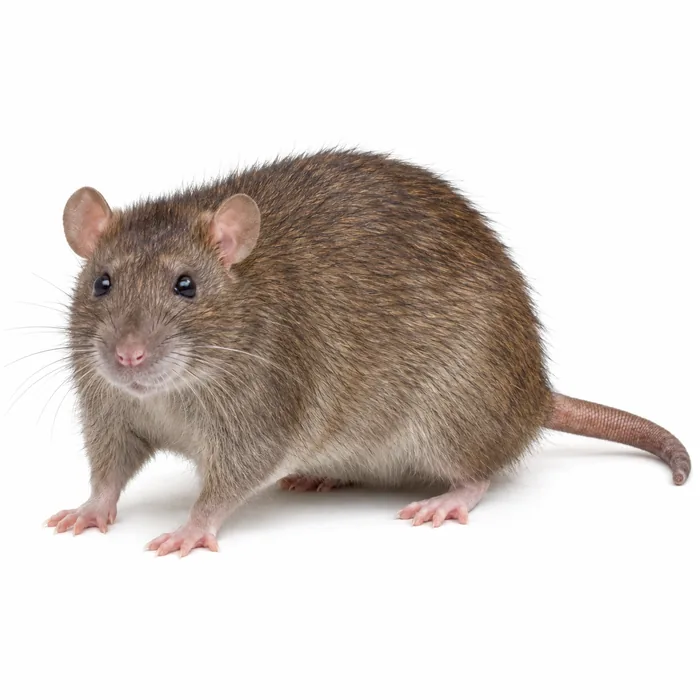
The Norway rat (Rattus norvegicus), also called the brown rat or sewer rat, is a heavy, ground-dwelling rat that digs burrows under slabs, along canal banks and around garbage areas. In Florida it is much less common than the roof rat, but where it does settle, often near the coast, canals, sewers and commercial dumpsters, it damages property, contaminates food and can carry disease.
- Since 1969Third generation, protecting South Florida
- 110% GuaranteeIf the bugs come back, so will Toro, at no additional cost
- Within 24 HoursResponse guaranteed
- Free InspectionPlus $25 off your first service
What Are Norway Rats?
The Norway rat, Rattus norvegicus, is a large, stocky rat that lives on and under the ground. It is also known as the brown rat, sewer rat or street rat. Despite the name, it did not come from Norway: fossil evidence indicates it originated in northern China and Mongolia, and it spread around the world with people.
Florida is different from many other places. University of Florida wildlife specialists describe the roof rat as the most abundant and most damaging rodent pest in the state, and Norway rats are far less common here. UF/IFAS rodent control guidance says that in Florida, Norway rats are most common along seacoasts and canals and where garbage is not stored properly.
That description fits parts of South Florida well. Miami-Dade, Broward and Palm Beach have many miles of canals and waterfront, older sewer systems, busy ports and marinas, restaurant rows and commercial districts with dumpsters behind every building. Those are the places to check first for Norway rat burrows.
This page covers the Norway rat in detail. Most South Florida homeowners who hear noises in the attic are dealing with roof rats, which we cover in our roof rat guide. If you see small rodents in cabinets and walls, see our mouse guide.
How to Identify Norway Rats
- Body: Heavy-set and stocky, with a blunt muzzle. Adults weigh about 3/4 to 1 pound.
- Length: Utah State University Extension gives an average total length of about 16 inches, including the tail.
- Color: Reddish brown to grayish brown.
- Ears and eyes: Small compared with a roof rat.
- Tail: Scaly and about as long as the head and body or shorter.
- Droppings: About 3/4 inch long and capsule shaped. Fresh droppings are black, shiny and soft; old ones turn gray and crumble.
- Tracks: Five toes on the hind feet and four on the front feet, sometimes with a tail drag mark in dust.
Norway Rat vs. Roof Rat
| Feature | Norway rat (Rattus norvegicus) | Roof rat (Rattus rattus) |
|---|---|---|
| Body | Stocky, 3/4 to 1 pound | Slender, 5 to 10 ounces |
| Snout, ears and eyes | Blunt snout, small ears and eyes | Pointed snout, large ears and eyes |
| Tail | About as long as head and body, or shorter | Longer than head and body |
| Droppings | About 3/4 inch, capsule shaped | Up to about 1/2 inch, spindle shaped |
| Where it nests | Low: burrows, under slabs, sewers, crawl spaces | High: attics, palms, trees, soffits |
| How common in Florida | Less common; coasts, canals, garbage areas | The most abundant rodent pest in Florida |
UF/IFAS adds that Norway rats are aggressive and usually drive roof rats out of their territory, so the two species are seldom found in the same building.
Life Cycle and Behavior
According to University of Florida rodent control guidance, Norway rats reach sexual maturity at 3 to 5 months, have 8 to 12 young per litter and can produce up to 7 litters a year. They live about a year in the wild. In South Florida’s warm climate, there is no cold season to slow breeding down.
Norway rats prefer fresh meat, fish and grain, but they survive on about 1 ounce of garbage or decayed food a day plus about 1 ounce of water. They usually travel 100 to 150 feet from their burrow to find food and water, using the same runways along walls, behind debris and under vegetation night after night.
Other behaviors that matter for control:
- Mostly nocturnal. Peak activity is in the first half of the night. Rats seen during the day can mean a large population, scarce food or sick rats.
- Cautious. Norway rats are wary of new objects and unfamiliar food and may take about a week to approach a trap.
- Strong swimmers and diggers. UF/IFAS notes that rats are excellent swimmers, can live in sewers and sometimes enter homes through toilets. Burrows are usually about 18 inches deep.
- Good climbers when needed. They can climb the outside of vertical pipes up to 3 inches in diameter, jump 36 inches straight up and squeeze through cracks 1/2 inch wide.
- Constant gnawing. A rat’s incisors grow about 4 1/2 to 5 1/2 inches a year, so rats gnaw constantly to keep them worn down.
Signs of a Norway Rat Problem
- Burrow openings about 3 inches wide, with fresh dirt in front, along foundations, under slabs, sidewalks, woodpiles and along canal banks
- Smooth, hard-packed runways 2 to 3 inches wide through grass or under shrubs
- Capsule-shaped droppings about 3/4 inch long near garbage, dumpsters, pet food or stored goods
- Dark, greasy rub marks along walls, pipes and openings
- Gnawed wood, wiring, plastic pipes, doors or bags of food
- Scratching, gnawing or fighting noises at night under floors, in crawl spaces or in lower walls
- Rats around dumpsters, grease bins, seawalls, docks or storm drains at dusk
Why Norway Rats Are a Problem
Damage. UF/IFAS notes that Norway rat burrowing can undermine building foundations, erode banks, disfigure landscape plantings and block sewer lines. Rats gnaw electrical wires, which can start fires, as well as wood, plastic and doors.
Food contamination. Rodents contaminate about 10 times as much food as they eat, according to University of Florida guidance. That makes Norway rats a serious issue for restaurants, grocery stores and warehouses.
Health risks. University of Florida rodent control guidance lists diseases that rats and mice can carry, including murine typhus, leptospirosis, ratbite fever and bacterial food poisoning. The Florida Department of Health explains that leptospirosis spreads through water or soil contaminated with the urine of infected animals and that the risk often rises after hurricanes, floods and heavy rain. Rats are also the definitive host of rat lungworm, a parasite found in Florida that reaches people mainly through infected snails or produce with tiny snails on it.
When cleaning up after rats, CDC guidance recommends wearing gloves, soaking droppings and nests with disinfectant first, and never sweeping or vacuuming them dry.
Where Norway Rats Hide in South Florida Homes and Businesses
- Canal banks, seawalls and waterfront yards. In Florida, Norway rats are most common along canals and seacoasts, where water is always close.
- Under slabs, patios and sidewalks. Burrows often start along the edge of concrete.
- Crawl spaces. Older raised homes and buildings with crawl spaces give Norway rats a protected route under the floor. Read more: Florida crawl spaces, a secret highway for rats.
- Sewers and storm drains. Rats live in sewer systems, and damaged lines or open drains can connect them to buildings.
- Dumpster and garbage areas. Restaurants, apartment complexes, condos, shopping centers and marinas.
- Woodpiles, debris and dense ground cover. Rubbish, stored materials and low shrubs hide burrow entrances and runways.
- Warehouses and loading docks. Pallets, stored food and open doors near airports, ports and distribution centers.
When Norway Rats Are Most Active in South Florida
| Season | Norway rat activity | What to do |
|---|---|---|
| January to April (dry season) | Breeding continues; rats stay close to reliable water near canals, drains and irrigation | Walk the property for new burrows and fix dripping hoses and irrigation leaks. |
| May to October (rainy season) | Heavy rain and flooding can displace rats from burrows and sewers | Check foundations, crawl spaces and drains after big storms. |
| June to November (hurricane season) | Floods and storm debris displace rats and create new harborage | Remove debris quickly, keep garbage sealed and inspect for new openings. |
| Year-round (commercial sites) | Dumpsters, grease bins and food storage feed rats every month | Keep lids closed, clean dumpster pads and schedule regular rodent service. |
Flooding displaces rodents and makes infestations more likely, according to the Florida Department of Health. Read more: Rodents on the rise, how hurricane season affects rat infestations.
How to Prevent Norway Rats
- Store garbage properly. Use metal or heavy containers with tight-fitting lids, keep dumpster lids closed and clean up spills. Utah State University Extension recommends keeping dumpsters at least 50 feet from buildings where possible.
- Remove food. Store pet food, bird seed and stored food in ratproof containers, and do not leave pet food outside overnight.
- Eliminate harborage. Remove rubbish, boxes, debris and woodpiles, and keep ground cover trimmed so burrows and runways are visible.
- Seal entry points. Close gaps of 1/2 inch or more with rodent-resistant materials such as 26-gauge or heavier sheet metal, hardware cloth with openings no larger than 1/4 inch, or concrete. Check door edges, pipe entries, foundation vents and crawl space openings.
- Protect drains and sewer openings. Keep cleanout caps and drain covers in place and repair broken sewer lines.
- Control water. Fix leaks and remove standing water.
- Keep it up. UF/IFAS notes that sanitation has to be ongoing, because yearly cleanup programs are generally ineffective, and that working with neighbors slows reinvasion.
UF/IFAS advises placing rodenticides used outdoors in tamper-resistant bait stations, out of reach of children, pets and wildlife. Read the full guide: Norway rats and how to prevent infestations.
How Toro Gets Rid of Norway Rats
- InspectionA Toro technician inspects the foundation, slabs, crawl spaces, drains, garbage areas, canal banks and landscaping to find burrows, runways, droppings and every place rats are getting in.
- Identification and planWe confirm whether you have Norway rats, roof rats or mice, explain what is attracting them and recommend a plan for your home or business.
- Rodent exclusion and removalOur rodent control service seals entry points with rodent-resistant materials and uses trapping and monitoring placed along the runways rats travel.
- Follow-upWe return to check traps and burrows, inspect the sealed openings and confirm that activity has stopped. Our 110% Satisfaction Guarantee means that if the bugs come back, so will Toro, at no additional cost to you.
Toro Pest Management has protected South Florida homes, restaurants, warehouses and condo properties since 1969, from Miami and Miami Beach to Fort Lauderdale and Key West. Our commercial pest control and property management programs cover dumpsters, loading docks and common areas. We respond within 24 hours, guaranteed, and the first inspection is free. Call 305-594-4767. Hablamos Español.
Seeing signs of norway rat? Get a free inspection and $25 off your first service.
Schedule Your Free InspectionNorway rat: Frequently Asked Questions
How can I tell a Norway rat from a roof rat?
Look at the body and where it lives. Norway rats are stocky and heavy, up to about a pound, with a blunt muzzle, small ears and eyes, and a tail about as long as the head and body or shorter. They live low, in burrows and sewers. Roof rats are slender with large ears and a tail longer than the body, and they nest up high in attics and palms.
Are Norway rats common in South Florida?
Less common than roof rats. University of Florida specialists describe the roof rat as Florida's most abundant rodent pest and note that Norway rats are most common along seacoasts and canals and where garbage is not stored properly. In South Florida, that can include waterfront properties, restaurants, marinas and commercial sites with dumpsters.
What does a Norway rat burrow look like?
UF/IFAS describes burrow openings about 3 inches wide, with freshly dug dirt in front and runways leading to them. Burrows are usually about 18 inches deep. Outdoors, Norway rats wear smooth, hard-packed paths 2 to 3 inches wide under vegetation. Look along foundations, under slabs, sidewalks and woodpiles, and along canal banks and seawalls.
Are Norway rats dangerous?
They can be. University of Florida guidance lists diseases carried by rats and mice, including murine typhus, leptospirosis, ratbite fever and bacterial food poisoning. The Florida Department of Health explains that leptospirosis spreads through water or soil contaminated with the urine of infected animals, with risk rising after floods. Never handle rats, droppings or nests with bare hands.
Can Norway rats come up through the toilet?
It is uncommon, but possible. UF/IFAS notes that rats are excellent swimmers, can live in sewers and sometimes enter homes through toilets. Keeping drain covers and sewer cleanout caps in place and repairing damaged sewer lines helps keep sewer rats out, which is why drains and sewer openings are part of a rodent inspection.
Can I get rid of Norway rats myself?
A rat or two can sometimes be trapped with snap traps placed along walls and runways, combined with sanitation and sealing gaps. Norway rats are cautious of new objects and may avoid traps for about a week, and burrows can hold several rats. UF/IFAS advises placing outdoor rodenticides in tamper-resistant bait stations. Ongoing activity, burrows or rats at a business usually call for professional help.
How long does it take to get rid of Norway rats?
It depends on the number of rats, how much food and harborage is nearby and how many entry points need sealing. UF/IFAS recommends inspecting sealed openings often during the first two weeks, and wary rats can take a week or more to approach traps. Most properties need an inspection, exclusion, trapping or baiting, and several follow-up visits.
Related Pests
Pest Control Across South Florida
Toro treats norway rat in homes and businesses throughout Miami-Dade, Broward and Palm Beach counties, including:
- Miami
- Hialeah
- Doral
- Miami Beach
- Coral Gables
- Homestead
- Fort Lauderdale
- Hollywood
- Pembroke Pines
- Miramar
- Boca Raton
- West Palm Beach
Last updated: October 29, 2026


110% Satisfaction Guaranteed
If the bugs come back, so will TORO at no additional cost to you. TORO will respond with in 24 hours Guaranteed. Our technician will arrive quickly and deal with the pest problem to prevent recurrence.

