
Key takeaways
- Subterranean colonies can cause damage rapidly, while drywood colonies are small and do damage more slowly, according to UF/IFAS.
- Subterranean termites can hollow wood down to a paper-thin surface, so damage may go unnoticed until remodeling.
- Drywood termites live inside dry wood such as trim, framing and furniture and push out hard, six-sided pellets.
- Formosan termites can hollow living trees, which raises the risk that they fall in high winds.
- Do not assume insurance pays for termite damage: check your policy, and rely on early detection and a clear termite contract.
In this article
- Why Termite Damage Is So Costly
- How Much Damage Subterranean Termites Cause
- How Much Damage Drywood Termites Cause
- Subterranean vs. Drywood Termite Damage at a Glance
- What Termite Damage Means for Homes and Businesses
- How to Keep Termite Damage Small
- How Toro Stops Termites Before the Damage Spreads
- Frequently Asked Questions
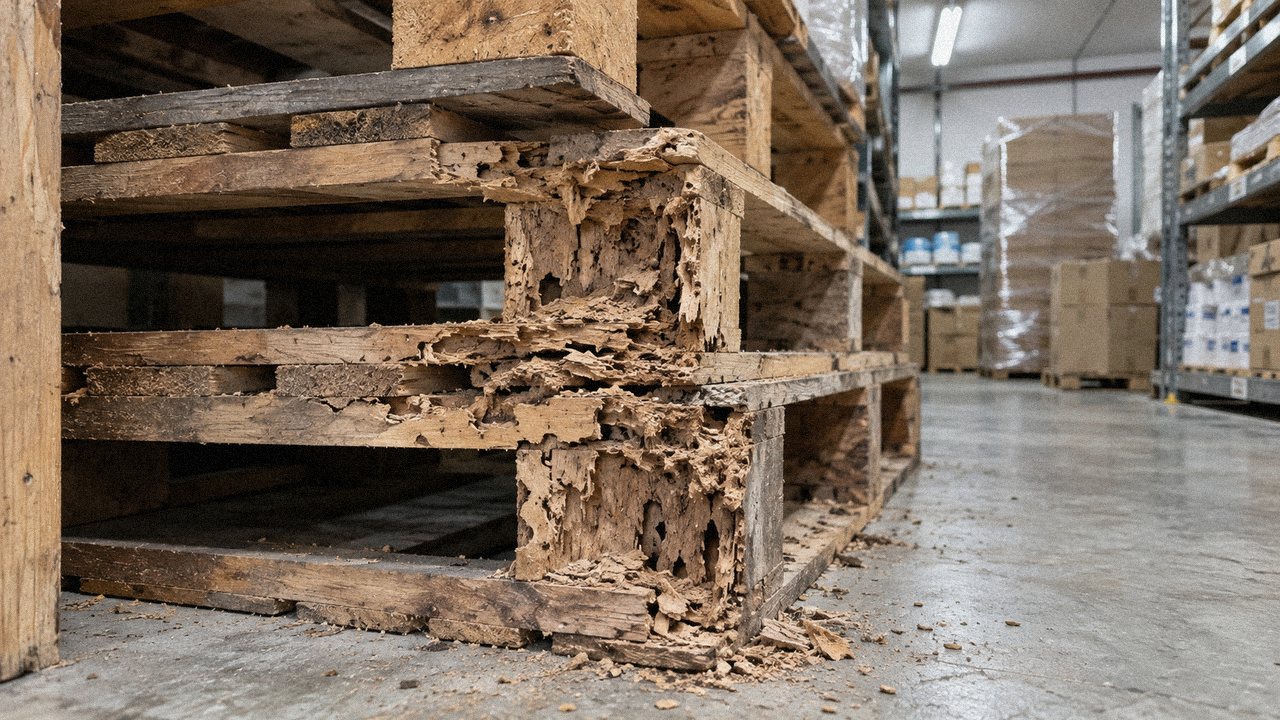
Termites can cause severe structural damage: they hollow out wall framing, sill plates, floor joists, roof trusses, door frames, trim, cabinets and furniture, usually from the inside, so the surface looks normal while the wood underneath fails. How much damage they do depends on the species, the size of the colony and, above all, how long it goes unnoticed.
In South Florida, the risk is higher than almost anywhere in the country. With 20 established termite species, Florida leads the country in termite diversity according to UF/IFAS, and two of the most destructive subterranean termites in the world, the Formosan and the Asian, are both established in Miami-Dade and Broward. This guide explains what each type of termite damages, why the damage is so often discovered late, what it means for homes and businesses and how to keep it small.
Why Termite Damage Is So Costly
Termites feed on cellulose, the main component of wood. Unlike a fire or a storm, the damage builds slowly and silently. UF/IFAS describes how subterranean termites hollow wood until only a paper-thin surface is left, and notes that damage to structural wood may only be observed during remodeling.
Several things make the bill grow:
- Hidden feeding. Termites stay inside wood and walls, so you see the result, not the insects.
- Large colonies. A Formosan colony can contain several million termites, according to UF/IFAS.
- Time. A colony that has fed for years has had years to spread through framing, trim and floors.
- Structural wood. The most important wood in a house, such as bottom plates, joists and trusses, is also the least visible.
- Repairs plus treatment. You pay to eliminate the termites and again to repair or replace what they ate.
UF/IFAS ranks the Formosan subterranean termite among the most destructive termite species in the world, and its fact sheet estimates the annual economic impact of this one species in the United States in the billions.
How Much Damage Subterranean Termites Cause
Subterranean termites nest in the soil and reach wood through mud tubes and cracks in the slab. In South Florida, three species cause most of the problems: the native eastern subterranean termite and the invasive Formosan and Asian subterranean termites.
UF/IFAS notes that subterranean colonies can cause damage rapidly, which is why early detection matters so much. For the Asian subterranean termite, UF/IFAS warns that damage can become severe in a relatively short time when a large, mature colony invades a structure.
What Subterranean Termites Damage
- Framing and bottom plates inside walls, starting near the slab
- Door frames, baseboards and cabinets, often in garages, bathrooms and kitchens
- Subfloors and joists in raised homes and upper floors
- Wall voids filled with carton nest, a mix of soil, chewed wood and saliva built by Formosan and Asian termites
- Paper and cardboard stored in garages and closets
Damage Beyond the House
Formosan termites also hollow out living trees by eating the dead wood at the center and filling the cavity with carton. UF/IFAS explains that this weakens the tree and raises the risk that it falls in high winds, a real concern during hurricane season when a tree stands near a roof. For a closer look at hidden activity, see the silent signs of termites inside walls.
Need help with pests in South Florida?
Toro Pest Management has protected homes and businesses since 1969. Get a free inspection and $25 off your first service, backed by our 110% Satisfaction Guarantee: if the pests come back, so do we, at no extra cost.
How Much Damage Drywood Termites Cause
Drywood termites do not need soil. They live entirely inside the wood they eat. In South Florida, the most important species is the West Indian drywood termite, which infests hardwoods and softwoods shielded from rain, including building lumber and furniture, according to UF/IFAS. Nearly all structural fumigation in Florida targets this species.
UF/IFAS notes that drywood colonies are small and take time to do significant damage. The catch is that a building can hold many colonies at once, and people can carry the termites to new places in infested furniture, frames and other wooden items.
Typical drywood damage includes:
- Window and door frames, trim and molding
- Attic framing and roof sheathing
- Wooden furniture, cabinets and picture frames
- Blistered or peeling paint over galleries just beneath the surface
The key sign is the droppings. Drywood termites push out hard pellets through kick-out holes about 1 to 2 mm wide. The pellets are six-sided in cross section and pile up or scatter below the infested wood. Our Florida drywood termite profile shows what to look for.
Subterranean vs. Drywood Termite Damage at a Glance
| Feature | Subterranean termites | Drywood termites |
|---|---|---|
| Where they live | Soil, with mud tubes into the structure; some build aerial colonies | Inside dry wood, no soil contact |
| Wood they attack first | Bottom plates, door frames, baseboards, wood near the slab | Trim, frames, attic wood, furniture |
| Speed of damage | Can be rapid with large colonies (UF/IFAS) | Slower; colonies are small |
| What you find | Mud tubes, galleries with soil, carton nest | Kick-out holes and piles of six-sided pellets |
| Typical treatment | Bait systems or soil termiticides | Spot treatment or tent fumigation |
The difference decides the treatment, so identification comes first. Our guide to drywood vs. subterranean termites goes deeper.
What Termite Damage Means for Homes and Businesses
The impact goes beyond the wood itself.
For Homeowners
- Repair bills for framing, floors, trim and cabinets, on top of the treatment
- Disruption while walls are opened and wood is replaced
- Resale issues. In Florida, a wood-destroying organism inspection is a common part of a sale, and active or past damage can affect negotiations. See termites and your home’s value.
- Insurance gaps. Do not assume your homeowners policy covers termite damage; read the exclusions and ask your agent.
For Businesses and Property Managers
- Closures or restricted areas while damaged sections are repaired
- Lost revenue and inconvenience for customers, tenants and employees
- Liability concerns if damaged stairs, decks or railings are not addressed
- Larger exposure. Multi-unit buildings, hotels and warehouses have more wood, more voids and more people affected when something fails
Toro’s commercial pest control covers offices, retail, hospitality, healthcare and property management throughout Miami-Dade, Broward, Palm Beach and the Keys.
How to Keep Termite Damage Small
The single biggest factor in termite damage is time. These steps shorten it:
- Schedule an inspection every year. FDACS calls an annual termite inspection a must for older homes. A trained inspector checks the slab edges, garage, attic, bathrooms and other hot spots you cannot easily reach.
- Watch at swarm season. Wings on windowsills, swarmers around lights and pellets on furniture are early signs.
- Fix moisture problems. FDACS warns that leaking pipes and foundation cracks invite termites.
- Keep wood off the soil and keep a visible strip along the foundation so mud tubes stand out.
- Act fast. Our article on how delaying termite treatment can ruin your home shows how a small problem grows.
- Get a contract you understand. FDACS explains that Florida termite warranties are retreatment only, retreatment and repair, or spot or no warranty, and that the retreatment-and-repair type generally costs more.
How Toro Stops Termites Before the Damage Spreads
Toro’s termite control begins with a free inspection. A trained technician identifies the termite species, maps the activity and checks how far the damage goes, then explains the options:
- Sentricon baiting for subterranean termites, installed around the property with no drilling into the slab and no trenches, designed to eliminate the colony, including the queen, and left in place for year-round protection
- TORO-GUARD, a non-tenting injection treatment for localized drywood colonies, so you do not have to leave your home
- Tent fumigation when drywood termites have spread through the structure, treating walls, trim and furniture at once
Toro has protected South Florida homes and businesses since 1969, with technicians trained at the TORO Institute alongside on-staff entomologists. If you are weighing the cost of treatment against the cost of damage, our guide to what affects termite treatment costs walks through the factors.

Contact Toro today
A free inspection & $25 off your first service
A trained Toro technician inspects your home or business, explains what was found and gives you a clear plan and quote, backed by our 110% Satisfaction Guarantee.
305-594-4767Frequently Asked Questions
How fast can termites destroy a house?
Can termites make a house collapse?
What does termite damage look like?
Is termite damage covered by homeowners insurance?
Can termite damage be repaired?
Sources
- Formosan Subterranean Termite, Coptotermes formosanus (EDIS IN278), UF/IFAS Extension
- West Indian Drywood Termite, Cryptotermes brevis (EDIS IN236), UF/IFAS Extension
- Native Subterranean Termites (EDIS IN369), UF/IFAS Extension
- Asian Subterranean Termite, Coptotermes gestroi (EDIS IN285), UF/IFAS Extension
- Termite Season: UF/IFAS Scientist Answers Common Questions, Corrects Misconceptions, UF/IFAS News
- Protecting Yourself and Your Property Against Subterranean Termites, Florida Department of Agriculture and Consumer Services
Educational content. This article is for general information about pests in South Florida and is not medical, legal or professional advice. If you have a bite, sting or allergic reaction, contact your doctor; in an emergency, call 911. Pest problems vary from home to home, so a licensed professional should inspect before treatment. When using any pesticide, always read and follow the product label.


