
Key takeaways
- In Florida, eastern subterranean termites swarm from January to April, Asian subterranean termites from February to April and Formosan termites from April to June.
- Hundreds or thousands of termite swarmers indoors usually mean a structural infestation nearby, according to UF/IFAS.
- Honey bee swarms in spring are a natural, usually non-aggressive stage of colony reproduction.
- Florida tick nymphs, the stage most likely to transmit disease, are active in spring and summer and are small enough to miss.
- Aedes mosquito eggs survive dry for up to 8 months and hatch when spring and early-summer rains refill containers.
In this article
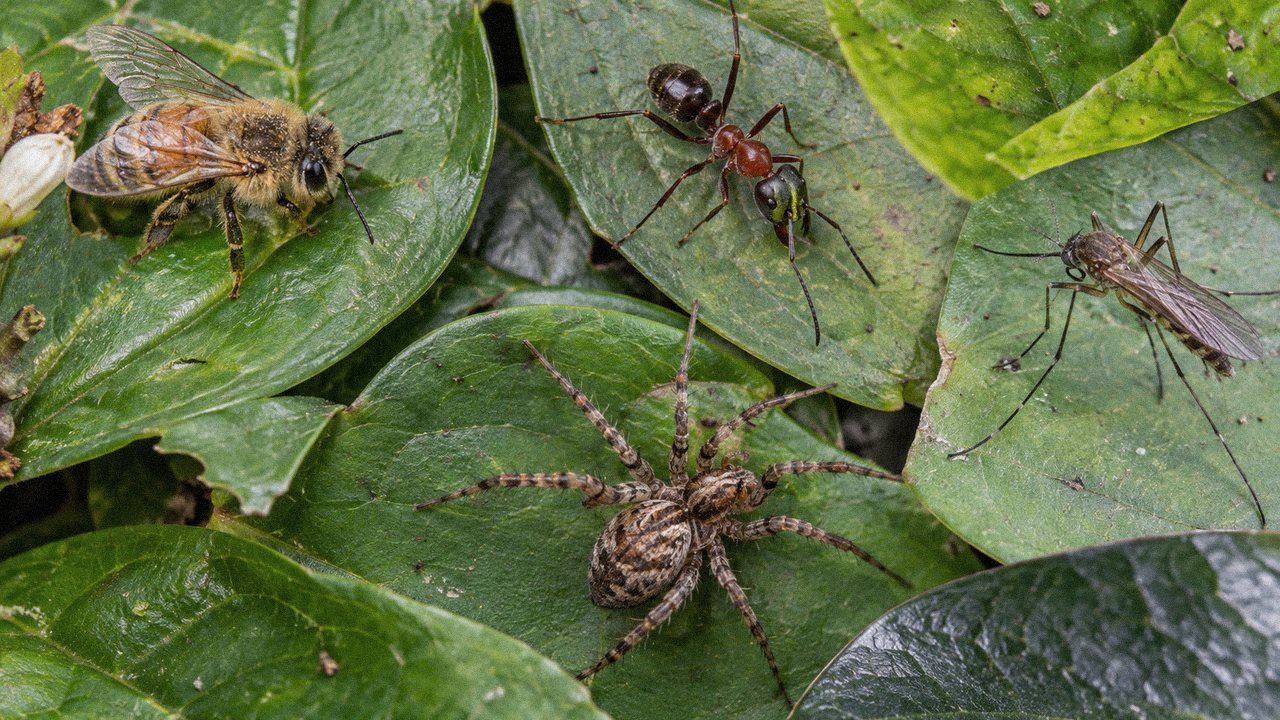
Seven pests are especially likely to move into your home in spring: termites, stinging insects, ants, cockroaches, ticks, spiders and mosquitoes. Warmer days wake up colonies, trigger mating flights and swarms, and send pests looking for food, water and shelter, often inside your walls.
In South Florida, spring arrives early and pests never fully go dormant. Termite swarms can start in January, the dry season pushes insects toward the water in your kitchen and bathrooms, and the first rains of May set off the mosquito season. (Strictly speaking, ticks and spiders are arachnids, not insects, but they belong on any spring watch list.) Here is what each of the seven is doing this time of year and how to stop it at the door.
Why Spring Is Peak Pest Season in South Florida
Most of the country thinks of spring as the end of winter. Here, it is the end of the dry season. From roughly November through April, rain is scarce, then the wet season begins around May. That transition matters:
- Colonies are at full strength. Termite and ant colonies that grew all year release winged reproductives to start new colonies.
- Water gets scarce outdoors. Kitchens, bathrooms, AC drains and leaky pipes become the best water source around.
- The first heavy rains hatch mosquito eggs that have been waiting on the walls of dry containers.
For a room-by-room plan, see our spring pest control tips.
1. Termites
Spring is swarm season, and swarms are often the first sign a homeowner sees. Winged termites, called alates or swarmers, leave mature colonies to pair off and start new ones. South Florida has several damaging species, and each flies in its own window, according to UF/IFAS.
active peak
Source: UF/IFAS EDIS (IN369, IN285, IN278, IN236)
Time of day helps you narrow it down:
- Eastern subterranean termites fly in the early afternoon on warm, sunny, windless days, usually after rain. South Florida populations may fly earlier in the season than those in North Florida (UF/IFAS).
- Asian subterranean termites fly at dusk or at night, from about February through April. Broward and Miami-Dade were the first counties where both they and Formosan termites were documented established (UF/IFAS), and a 2026 University of Florida study found the Asian species as far north as Brevard and Hillsborough counties.
- Formosan subterranean termites swarm shortly after sunset from early April to late June, peaking in May.
- West Indian drywood termites fly mainly from April to June, but their flights can occur any time of year. Their largest populations are in older buildings in the southern half of the state (UF/IFAS).
A few swarmers indoors may have flown in from outside, but hundreds to thousands usually mean a structural infestation nearby. Other signs include discarded wings on windowsills, mud tubes on the foundation and small piles of hard pellets below wood. Our guide to termite swarming in Florida goes deeper, and the termite pest library shows each species.
Need help with pests in South Florida?
Toro Pest Management has protected homes and businesses since 1969. Get a free inspection and $25 off your first service, backed by our 110% Satisfaction Guarantee: if the pests come back, so do we, at no extra cost.
2. Stinging Insects
Bees, wasps and yellowjackets all restart their year in spring. Florida’s yellowjacket colonies die off in winter except for mated queens, which start new nests in spring, according to UF/IFAS; those nests grow larger and more defensive through summer. Spring is the time to spot a small nest under the eaves or a few yellowjackets flying in and out of the ground and have it removed while it is still small.
Spring is also honey bee swarm season. A swarm is how a crowded colony reproduces: the old queen leaves with a large group of workers, and the cluster rests on a branch or fence while scouts search for a new home. UF/IFAS Extension Miami-Dade stresses that swarms are not acts of aggression and that the risk of being stung during swarming is low.
Honey bees are valuable pollinators, so a swarm passing through is best left alone. The problem comes when a colony moves into a wall void, soffit, meter box or shed. Then it needs professional removal, not a can of spray.
3. Ants
Ants are among the first pests to show up indoors as temperatures rise. In South Florida, the tiny ghost ant is one of the most important household ant pests, according to UF/IFAS. It nests indoors in wall voids and behind cabinets and baseboards, outdoors in flowerpots and under objects, and goes straight for sweets. Other ants push fine sand up through cracks in concrete patios, driveways and slabs as they excavate their nests below.
During the dry months, a kitchen with crumbs, a dripping faucet and pet bowls on the floor offers everything a colony needs. To keep them out:
- Wipe counters and sweep floors daily, and store sweets and pet food in sealed containers.
- Fix drips and condensation under sinks and around the AC.
- Seal gaps around windows, doors and utility lines.
- Use baits instead of sprays on trails, so workers carry the bait back to the colony.
4. Cockroaches
As days heat up, outdoor cockroaches look for cool, damp, dark shelter with access to food and water, and a home fits the bill. The large American cockroach lives outdoors in hollow trees, woodpiles, mulch and sewers, and comes inside through plumbing or from tree branches that overhang the roof, according to UF/IFAS. Indoors, it hides near water pipes, sinks, bathtubs and toilets.
Spring is a good time to:
- Caulk openings where pipes and utilities pass through walls.
- Rake out dead leaves and pull mulch back from the foundation.
- Trim branches that touch the roof.
- Clear clutter in garages, laundry rooms and under sinks.
5. Ticks
Ticks wait in tall grass, brush and leaf litter for a person or pet to brush past, and they ride inside on clothing and dogs. The Florida Department of Health lists several species in the state, and their life stages peak at different times:
| Tick | Diseases it can carry | When it is active in Florida |
|---|---|---|
| Blacklegged tick | Lyme disease, babesiosis | Larvae and nymphs April-August; adults September-May |
| Lone star tick | Ehrlichiosis, STARI | Nymphs February-October; adults April-August (peak July) |
| American dog tick | Rocky Mountain spotted fever | Nymphs January-March; adults March-September |
| Gulf Coast tick | Rickettsia parkeri | Nymphs February-August; adults March-November |
The Florida Department of Health notes that most people are infected by nymphs in spring and summer, because nymphs are tiny, easy to miss and can stay attached longer. Lyme disease is much less common in Florida than in the Northeast, but it does occur.
To protect your family, keep grass short and brush cleared along paths, check yourself, your children and your pets after time outdoors, and remove an attached tick with tweezers by gripping it close to the skin and pulling straight out with steady pressure, as UF/IFAS Extension advises. Ticks must feed for several hours to transmit disease, so early removal matters. Read more in how to avoid ticks in South Florida and on our tick pest library page.
6. Spiders
Spiders are mostly helpful hunters, but spring brings a new generation of spiderlings and plenty of insects to feed them. They settle into closets, garages, sheds and other quiet corners.
The ones to watch for in Florida are the widows. The Florida Department of Agriculture and Consumer Services says the southern black widow is the most common native widow and the introduced brown widow is the most human-adapted. Widows favor sheds, water meter boxes, nursery pots and undisturbed items like grills and play sets. FDACS advises wearing gloves when lifting boards or reaching into storage boxes and checking clothing that has sat unused, because widow bites happen most often when the spider is trapped against skin. Spring cleaning puts your hands in exactly those places, so glove up first. Learn the common species on our spider pest library page.
7. Mosquitoes
In much of the country, mosquitoes vanish in winter. In South Florida they slow down but never fully stop, and spring is when they rebuild. The key is their eggs. According to the CDC, Aedes mosquitoes lay eggs on the inner walls of containers just above the waterline, and those eggs can survive drying out for up to 8 months. When spring showers and the first rainy-season storms raise the water, they hatch, and an egg can become a biting adult in 7 to 10 days.
That makes spring the best time to get ahead of the season. Scrub out (do not just tip) buckets, birdbaths, pet bowls and plant saucers, clean gutters and check bromeliads. Toro’s mosquito control 3-month plan is aimed especially at March through November, when mosquitoes are most active.
When to Call a Professional
Call for an inspection if you see termite swarmers or wings indoors, mud tubes or droppings, a nest in or on the house, or pests that keep returning after you clean and seal. Toro Pest Management has protected South Florida homes and businesses since 1969, and every visit starts with a free inspection. For termites, Toro’s termite control service identifies the species first and then recommends Sentricon baiting, TORO-GUARD non-tenting treatment or tent fumigation, backed by the 110% Satisfaction Guarantee.
As spring turns into the rainy season, the cast changes. See what comes next in the most common summer pests in Florida.

Contact Toro today
A free inspection & $25 off your first service
A trained Toro technician inspects your home or business, explains what was found and gives you a clear plan and quote, backed by our 110% Satisfaction Guarantee.
305-594-4767Frequently Asked Questions
When does pest season start in South Florida?
Do a few termite swarmers in the house mean I have termites?
Can you get Lyme disease in South Florida?
What should I do about a bee swarm on a tree in my yard?
Does spring cleaning really help with pests?
Sources
- Native Subterranean Termites: Reticulitermes flavipes, R. virginicus, R. hageni (EDIS IN369), UF/IFAS Extension
- Asian Subterranean Termite, Coptotermes gestroi (EDIS IN285), UF/IFAS Extension
- Formosan Subterranean Termite, Coptotermes formosanus (EDIS IN278), UF/IFAS Extension
- West Indian Drywood Termite, Cryptotermes brevis (EDIS IN236), UF/IFAS Extension
- Ticks in Florida, Florida Department of Health
- Life Cycle of Aedes Mosquitoes, Centers for Disease Control and Prevention
- New Study Shows Invasive Termites Threatening Homes in Florida Are Spreading Farther Than Predicted, University of Florida News
Educational content. This article is for general information about pests in South Florida and is not medical, legal or professional advice. If you have a bite, sting or allergic reaction, contact your doctor; in an emergency, call 911. Pest problems vary from home to home, so a licensed professional should inspect before treatment. When using any pesticide, always read and follow the product label.


