
Key takeaways
- Ants follow invisible scent trails, so wiping trails with soapy water is one of the simplest prevention steps that works.
- Ants can get through cardboard; store sugar, cereal and pet food in hard, sealed containers or the refrigerator.
- Kitchen remedies like lemon, salt, pepper and talc may make ants detour but never reach the colony or the queens.
- Plant-oil products kill on contact but leave little lasting effect, according to UC IPM.
- Caulking the exact spot where a trail enters, and trimming plants off the house, prevents most repeat invasions.
In this article
The home ant prevention methods that work are the unglamorous ones: erase the scent trails, lock up food and water, seal the cracks where ants get in and keep plants from touching your house. Popular kitchen remedies such as lemon peels, salt or cayenne pepper may make a trail detour for a while, but they never reach the colony, so the ants come back.
South Florida makes ant prevention a year-round job. Colonies stay active through our mild winters, and many local species have several queens and nests spread across a property. Below you will find what each common method really does, a quick verdict table and a prevention routine that holds up in Miami-Dade, Broward and Palm Beach homes.

Why Ants Keep Finding Your Home
Ants are social insects that work as a team. A scout finds food or water, lays an invisible scent trail back to the nest and recruits nestmates, which is how one ant on the counter becomes a line of hundreds. The University of Kentucky reminds homeowners that the workers you see are only a small part of the colony; queens and brood stay hidden in a nest, often with thousands of other ants.
That has two consequences for prevention:
- Breaking the trail helps. Without the scent trail, newcomers cannot find their way to your sugar bowl.
- Killing foragers does not. As long as the colony is healthy, it keeps sending new scouts.
Several South Florida species, including ghost ants, white-footed ants and bigheaded ants, live in colonies with many queens and multiple nests, which is why the same trail can reappear in the same spot for months. Our guide to ants in South Florida explains each species.
Home Ant Remedies: What Works and What Doesn’t
Ant control advice online is full of pantry remedies. Here is an honest look at the most common ones.
| Method | What it does | Verdict |
|---|---|---|
| Soapy water on trails | Kills ants on contact and erases the scent trail | Works as cleanup; no lasting effect |
| Vacuuming ants | Removes the foragers you see | Works for cleanup; empty the bag outdoors |
| Sealed containers and fridge storage | Removes the food that draws foragers | Works; one of the most important steps |
| Caulk and weather stripping | Closes the entry point | Works, especially at the exact spot the trail enters |
| Trimming plants off the house | Removes ant “bridges” | Works, especially for tree and shrub nesters |
| Lemon peel, salt, cayenne pepper, talc | May make ants detour | Unreliable; does nothing to the colony |
| Plant-oil sprays (peppermint, clove, orange) | Kill on contact | Short-lived; limited residual control |
| Labeled ant baits (including borate baits) | Workers carry slow-acting bait to the colony | Works for active trails; use only when ants are present |
Soap and Water
This is the most useful home remedy. UF/IFAS Extension notes that spraying ants with a soap-and-water mixture kills them quickly, and the National Pesticide Information Center recommends wiping trails with soapy water to remove the pheromone trail. Clean thoroughly at the entry point. UC IPM adds that window cleaner works too, though it leaves no lasting effect.
Lemon, Salt, Pepper and Talcum Powder
These are the remedies people try first. At best, a strong-smelling or gritty line makes ants take a different route. None of them kills the colony, and in humid South Florida kitchens they get wet, swept or wiped away quickly. They also scatter the trail, which makes it harder to follow ants back to their entry point or to use a bait later. Pouring pepper on an outdoor anthill does not move the colony away from your property either.
Plant Oils
Peppermint, rosemary, clove, orange and thyme oils are sold in ant products. According to UC IPM, they have strong contact activity but limited residual control, so they kill what they hit and little else.
Borax and Boric Acid
Boric acid and other borates are real ant-killing ingredients, and UC IPM calls borate-based baits the most effective baits available to consumers for Argentine ants. UF/IFAS Extension describes boric acid as a stomach poison that stays active while dry. The right way to use it is in a labeled bait or product, applied exactly as the label says, not as a homemade mix left on a counter.
Need help with pests in South Florida?
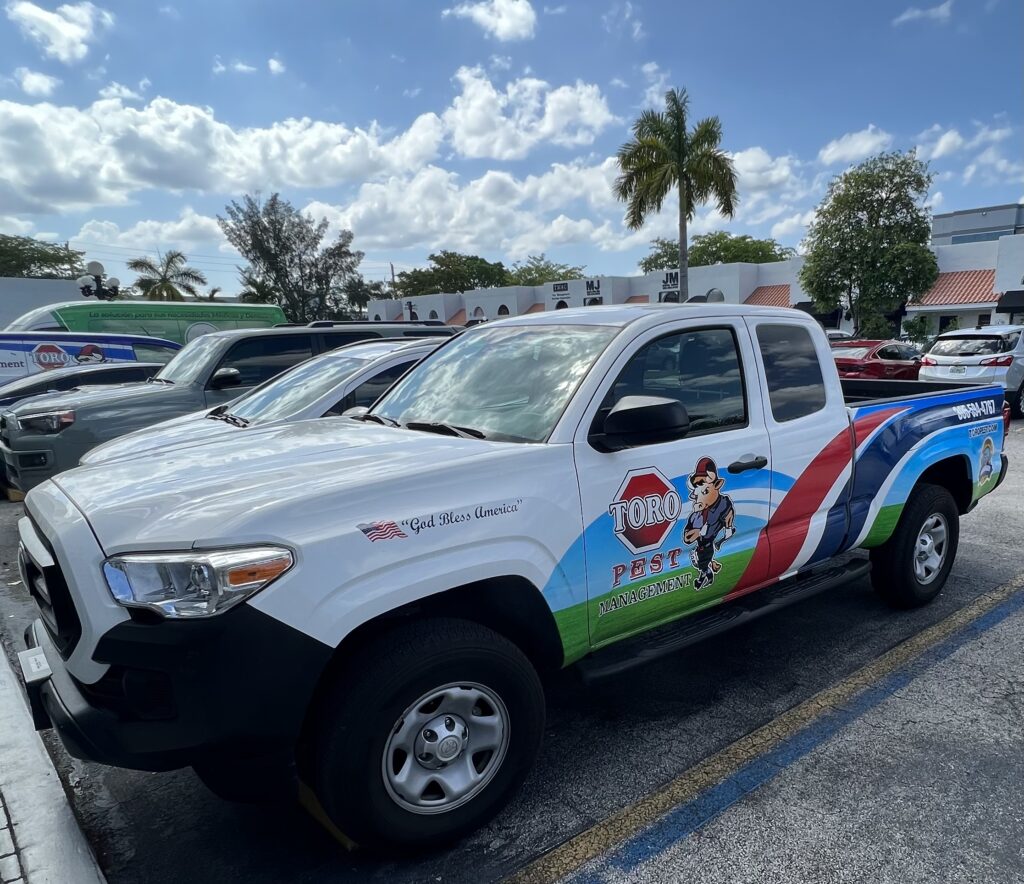
Toro Pest Management has protected homes and businesses since 1969. Get a free inspection and $25 off your first service, backed by our 110% Satisfaction Guarantee: if the pests come back, so do we, at no extra cost.
Kitchen and Pantry Habits That Keep Ants Out
Food is the main reason ants come inside. These habits come from UF/IFAS Extension and NPIC guidance:
- Store food in hard, sealed containers. UF/IFAS Extension warns that ants can get through cardboard and that screw-top jars need rubber seals. NPIC suggests keeping sugar and honey in the refrigerator.
- Clean up spills right away, especially sweet drinks like soda and juice.
- Rinse dishes you cannot wash right away, and drain the sink.
- Clean grease buildup on and around the stove and food prep areas.
- Bag garbage tightly and take it to an outdoor bin; rinse recyclables before they go in the bin.
- Wash garbage and recycling cans regularly.
- Do not leave pet food out longer than your pet needs to eat.
Drains matter too. Food buildup in kitchen drains attracts ants and roaches, and Toro’s drain cleaning service uses Bio-Foam, which reaches the drain walls and digests the buildup at the source.
Seal and Dry the House
Seal Entry Points
UF/IFAS Extension recommends sealing with silicone caulk, starting exactly where the ant trail enters. Then work outward to cracks around baseboards, cabinets, pipes, sinks, toilets and electrical outlets. Add weather stripping to doors and windows, and check where utility pipes and wires come into the house.
Remove Moisture
Many ants need water as much as food. UF/IFAS notes that ghost ants need moisture and are often found in kitchens and bathrooms. Fix dripping faucets and leaking pipes, dry under-sink cabinets, keep the AC condensate line clear and do not let water sit in plant saucers. For the rooms that attract ants most, read where in the home ant infestations usually happen.
Outdoor Steps That Stop Ants Before They Reach the Door
In South Florida, most indoor ant trails start outside. Prevention around the yard is just as important as the kitchen.
- Trim vegetation. Cut back shrubs, hedges, palm fronds and branches that touch walls or the roof, as NPIC advises.
- Thin and pull back mulch. UC IPM suggests keeping plants, grass and mulch several inches to a foot from the foundation.
- Remove debris. Clear leaf litter, boards and stones near the house where ants nest, and store firewood away from the home.
- Manage plant pests. Ants protect aphids, scales, mealybugs and whiteflies for their sweet honeydew. Fewer plant pests means fewer ants climbing your walls.
- Check potted plants. Look at the soil before bringing a plant inside. For a plant that already has ants, NPIC suggests a “moat”: set the pot above the water line in a larger bowl of water with a little detergent.
See how your garden is sending ants indoors for more landscape fixes.
When Prevention Is Not Enough
Prevention keeps new ants out, but it does not remove an established colony. Bait only when ants are actually present: UF/IFAS Extension notes that baits placed where there are no ants may attract them indoors. If you have an active trail of tiny dark ants, our guide to getting rid of little black ants walks you through baiting step by step. Large ants indoors at night call for a different plan; see how to prevent a carpenter ant infestation.
Call a professional when trails keep returning despite good habits, when ants come out of walls or outlets, or when you find fire ant mounds in the yard. Toro starts with a free inspection, identifies the ant, finds the nests and treats nests, trails and entry points with products chosen for that species and applied according to the label. For fire ants and other insects in the yard, ask about our lawn spray service, and for year-round coverage inside and outside, see our residential pest control plans.
Toro has protected South Florida homes and businesses since 1969, responds within 24 hours, guaranteed, and backs its work with the 110% Satisfaction Guarantee: if the bugs come back, so will Toro, at no additional cost to you.
Contact Toro today
A free inspection & $25 off your first service
A trained Toro technician inspects your home or business, explains what was found and gives you a clear plan and quote, backed by our 110% Satisfaction Guarantee.
305-594-4767Frequently Asked Questions
What is the best natural way to keep ants out of the house?
Does vinegar keep ants away?
Why do ants come back every summer?
Is borax safe to use for ants?
Should I put out ant baits to prevent ants?
Sources
- Ants, National Pesticide Information Center
- Ants: Pest Notes, University of California Statewide IPM Program
- Controlling Ants in the Home and Landscape, UF/IFAS Extension Pinellas County
- Ant Control for Householders (EF619), University of Kentucky Entomology
- Pest Ants (SP119), UF/IFAS Extension
Educational content. This article is for general information about pests in South Florida and is not medical, legal or professional advice. If you have a bite, sting or allergic reaction, contact your doctor; in an emergency, call 911. Pest problems vary from home to home, so a licensed professional should inspect before treatment. When using any pesticide, always read and follow the product label.


