
Key takeaways
- South Florida's wet season runs from May 15 to October 15 and brings 60-70% of the year's rain, according to the National Weather Service.
- Emptying containers and scrubbing birdbaths and pet bowls at least twice a week is the core of mosquito prevention (Florida Department of Health).
- A mouse can squeeze through a gap about 1/4 inch wide, roughly the width of a pencil (CDC).
- American cockroaches live outdoors in trees, woodpiles, mulch and drains and move inside after heavy rain (UF/IFAS).
- Identify the pest before you treat: no single product or spray works on every summer pest.
In this article
- Why Summer Brings More Pests to South Florida
- Common Summer Pests in Florida and How to Stop Them
- Step 1: Drain and Cover Standing Water
- Step 2: Keep the Kitchen and Trash Clean
- Step 3: Seal Entry Points and Repair Damage
- Step 4: Maintain the Yard
- Step 5: Check Eaves for Wasp Nests
- Step 6: Identify the Pest Before You Treat
- When to Call a Professional for Summer Pests
- Frequently Asked Questions
To prevent common summer pests in Florida, focus on the three things they need: water, food and a way inside. Drain standing water every week, keep the kitchen and trash clean, seal the gaps around doors, windows and pipes, and keep your yard trimmed and free of debris. Do this before the rainy season and you head off most mosquitoes, ants, cockroaches, flies, wasps and rodents before they become a problem.
Summer in South Florida is long, hot and wet, and pests respond to it. The steps below are organized by what you do, not by pest, because one habit, such as sealing a gap or emptying a bucket, often stops several pests at once. At the end you will find when it makes sense to bring in a professional.

Why Summer Brings More Pests to South Florida
South Florida’s wet season runs from May 15 to October 15, according to the National Weather Service in Miami, and about 60-70% of the average yearly rainfall arrives in those five months. Showers and storms form nearly every day, dewpoints sit in the 70s and the heat peaks in July and August.
active peak
Source: National Weather Service Miami
That combination works for pests in several ways:
- Standing water everywhere. Every storm refills buckets, plant saucers, gutters and bromeliads where mosquitoes breed.
- Flooded shelters. UF/IFAS notes that American cockroach infestations indoors can follow heavy rain, and rain-soaked soil and mulch can send ant foragers looking for drier ground too.
- Fast growth. Warm temperatures speed up insect development, so populations build quickly.
- Storm damage. Hurricanes and tropical storms leave debris piles, broken screens and roof leaks that offer shelter and entry points.
For a closer look at the science, read why there are more bugs in the summer.
Common Summer Pests in Florida and How to Stop Them
| Pest | Why it shows up in summer | Best prevention focus |
|---|---|---|
| Mosquitoes | Rain fills containers where larvae develop | Drain and scrub containers weekly, repair screens |
| Ants | Colonies grow; foragers seek food, water and dry shelter | Clean up food, seal entry points, trim plants off the house |
| American cockroaches | Move inside from trees, mulch, woodpiles and drains, especially after heavy rain | Caulk pipe gaps, reduce moisture and yard debris |
| Flies | Garbage, pet waste and rotting food attract them | Tight trash lids, frequent trash removal, clean bins |
| Paper wasps | Nests grow under eaves and overhangs | Check eaves early and remove small nests |
| Spiders and crickets | Follow insects to lit doorways and enter through gaps | Seal gaps, sweep webs, reduce clutter near doors |
| Mice and rats | Look for food and shelter in and around homes | Seal gaps, store food and trash in hard containers |
Need help with pests in South Florida?
Toro Pest Management has protected homes and businesses since 1969. Get a free inspection and $25 off your first service, backed by our 110% Satisfaction Guarantee: if the pests come back, so do we, at no extra cost.
Step 1: Drain and Cover Standing Water
Mosquitoes are the defining summer pest in South Florida, and prevention starts in your yard. The Florida Department of Health recommends that you:
- Empty containers that collect rain or sprinkler water, such as garbage cans, buckets, pool covers, coolers, toys and flowerpots
- Throw away old tires, drums, bottles, cans and broken appliances
- Empty and clean birdbaths and pet water bowls at least twice a week
- Cover boats and vehicles with tarps that do not collect water
- Keep pools properly chlorinated and empty plastic pools when not in use
When you are outside, wear shoes, socks, long pants and long sleeves, and use a repellent with 10-30% DEET, picaridin, oil of lemon eucalyptus or IR3535, following the label. Health officials note that heavy rain and flooding raise the risk of mosquito-borne disease. Our mosquito season tips cover repellents and myths in more detail.
Step 2: Keep the Kitchen and Trash Clean
Ants, cockroaches, flies and rodents all come for the same thing: food. UF/IFAS Extension recommends cleaning up spills right away, especially sweets, cleaning grease buildup in food prep areas, rinsing dishes you cannot wash immediately and storing food in airtight containers, since ants can get through cardboard.
Trash needs extra attention in the heat:
- Use thick plastic or metal trash cans with tight lids, as the CDC recommends for rodents
- Bag garbage tightly and take it out often
- Rinse recyclables and clean bins regularly
- Pick up pet food after meals and do not leave bowls out overnight
- Keep grills and outdoor cooking areas clean
If trails of ants are already marching through the kitchen, our guide to home ant prevention methods explains which remedies work, and how come my house is full of ants in the summer explains why it happens.
Step 3: Seal Entry Points and Repair Damage
Pests use the same gaps over and over. According to the CDC, a mouse can get through an opening about 1/4 inch wide, roughly the width of a pencil.
Check these spots inside and out:
- Around pipes under sinks and behind the washing machine and water heater
- Where electrical, cable, gas and plumbing lines enter the house
- Under doors and around windows without weather stripping
- Along the foundation, roof eaves, soffits and attic vents
- Window, door and patio screens
The CDC recommends steel wool topped with caulk or spray foam for small holes, and hardware cloth, metal or cement for larger ones. Caulk the gaps where pipes go through walls too: UF/IFAS lists that step among the main ways to keep American cockroaches out. Replace worn weather stripping and fix torn screens.
Step 4: Maintain the Yard
A tidy yard gives pests fewer places to live near your walls.
- Trim shrubs and trees so they do not touch the house or roof. Branches are bridges for ants and cockroaches.
- Clear debris. UF/IFAS notes that in Florida, American cockroaches live in trees, woodpiles, garbage areas and piles of organic debris around homes. Rake up rotting leaves and remove junk piles.
- Move woodpiles. The CDC advises keeping woodpiles at least 100 feet from the home and raised at least 1 foot off the ground.
- Limit moisture. Fix leaky hose bibs, aim sprinklers away from walls and make sure gutters drain away from the foundation.
- Rethink lighting. Bright lights by doors draw night-flying insects, and the spiders and other predators that feed on them follow.
Step 5: Check Eaves for Wasp Nests
Paper wasps build their papery, open-cell nests on the protected underside of house eaves and other overhangs. According to UF/IFAS, they are not particularly aggressive and usually sting only when threatened, but workers defend the nest with painful stings. They are also beneficial: they prey on caterpillars and other plant pests.
Check eaves, porch ceilings, shutters and play sets early in the season. UF/IFAS notes that a nest can be knocked down with a broom in the evening, when the wasps are inactive, and that a small nest with only its founding queen may not even need to be sprayed. Large nests near doors, windows or play areas are a job for a professional. Learn more about wasps in South Florida.
Step 6: Identify the Pest Before You Treat
There is no blanket fix for every summer pest. A spray that kills a cockroach can scatter an ant colony, and a mosquito problem is solved in the yard, not in the kitchen. Before you buy a product, figure out exactly which pest you have, where it lives and how it is getting in. If you are not sure, collect a sample in a sealed bag or take clear photos.
When to Call a Professional for Summer Pests
Call a professional if pests keep coming back after you have done the steps above, if you see rodent droppings or gnaw marks, if mosquitoes keep you off your patio despite draining water, or if you find a large wasp nest near your door.
Toro offers targeted help for each summer problem:
- Mosquito control: a barrier treatment made with plant oils on the shrubs where adults rest, plus larvicide granules and growth regulators in breeding sites. Choose a one-time event treatment or the 3-month plan of 4 treatments, one every 3 weeks.
- Rodent control: trapping and baiting, exclusion work to seal entry points, and dropping and urine disinfecting and sanitation.
- Total Home Protection Gold 365: an every-other-month service inside and outside your home, starting with a 25-point initial service and including removal of wasp and spider nests outside your home.
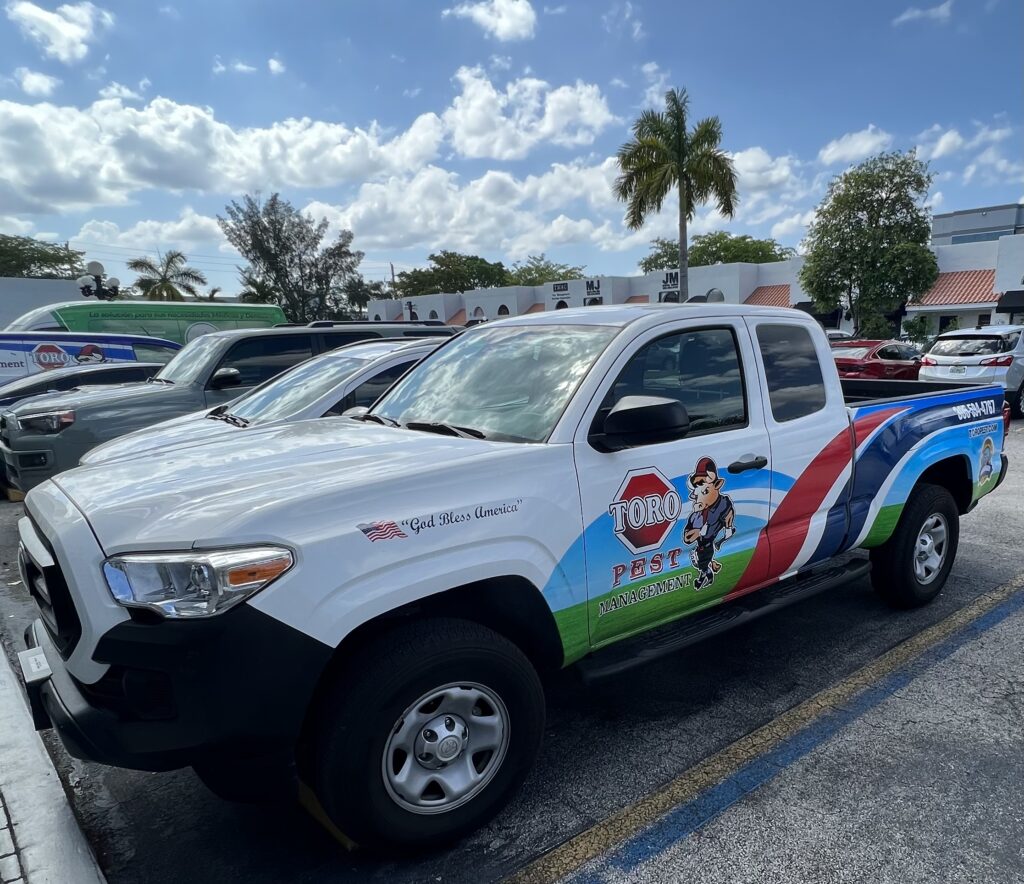
Toro has protected South Florida homes and businesses since 1969, responds within 24 hours, guaranteed, and backs every service with the 110% Satisfaction Guarantee.
Contact Toro today
A free inspection & $25 off your first service
A trained Toro technician inspects your home or business, explains what was found and gives you a clear plan and quote, backed by our 110% Satisfaction Guarantee.
305-594-4767Frequently Asked Questions
What pests are worst in Florida in the summer?
When should I start summer pest prevention in South Florida?
Why do cockroaches come inside after it rains?
Is it safe to remove a wasp nest myself?
Why are there more bugs in the summer?
Sources
- South Florida Rainy Season Outlook 2025, National Weather Service Miami
- Drain and Cover to Prevent Mosquito-Borne Illness, Florida Department of Health
- American Cockroach, Periplaneta americana (EDIS IN298), UF/IFAS Extension
- How to Seal Up to Prevent Rodents, Centers for Disease Control and Prevention
- Paper Wasp, Red Wasp, Polistes carolina (EDIS IN1112), UF/IFAS Extension
- Controlling Ants in the Home and Landscape, UF/IFAS Extension Pinellas County
Educational content. This article is for general information about pests in South Florida and is not medical, legal or professional advice. If you have a bite, sting or allergic reaction, contact your doctor; in an emergency, call 911. Pest problems vary from home to home, so a licensed professional should inspect before treatment. When using any pesticide, always read and follow the product label.


