
Key takeaways
- Wood touching soil is the easiest way in for subterranean termites; keep siding and wood trim 6 to 8 inches above grade (FDACS).
- Mulch bags are a small risk; thick mulch against the foundation is the bigger one. Keep it under 2 inches near the house (UF/IFAS).
- Large reclaimed wood such as old railroad ties and salvaged timbers can carry Formosan termites to a new yard.
- Pressure-treated wood resists termites but UF/IFAS says it is not a guarantee of permanent protection.
- Homeowners control conditions; soil termiticides, baits and fumigation must be handled by licensed professionals.
In this article
- Your Job vs. the Pest Company’s Job
- Zone 1: Where Wood Meets the Ground
- Zone 2: Mulch, Plants and Irrigation
- Zone 3: Moisture Around and Inside the House
- Zone 4: Attic, Roofline and Exterior Wood
- Zone 5: Trees, Storage and the Garage
- Building, Buying or Remodeling
- Make Inspections Part of the Routine
- Frequently Asked Questions
A homeowner can do a lot to prevent termites: break every point where wood touches soil, keep mulch and moisture away from the foundation, protect the attic and exterior wood from drywood swarmers and schedule regular professional inspections. What you cannot do on your own is treat the soil or eliminate a colony; that part belongs to a licensed company.
Think of termite prevention as a split job. You control the conditions around the house, and a professional controls the treatment. When either side slips, termites find the gap. This guide is a homeowner’s walk-around checklist, zone by zone, so you know exactly what to look at and what to change.
Your Job vs. the Pest Company’s Job
The Florida Department of Agriculture and Consumer Services (FDACS) puts it plainly: termite pre-treatments and retreatments can fail if moisture or construction problems break down the chemical barrier. In other words, even the best treatment depends on how the property is maintained.
| Homeowner can do | Leave to a licensed professional |
|---|---|
| Fix leaks and drainage problems | Identify the termite species |
| Remove wood-to-soil contact | Apply soil termiticides or install bait stations |
| Manage mulch, plants and irrigation | Treat slab cracks and wall voids |
| Store wood, lumber and cardboard properly | Spot-treat or fumigate for drywood termites |
| Watch for wings, mud tubes and pellets | Inspect attics, crawlspaces and hidden areas |
| Keep up with contract renewals and visits | Monitor and maintain bait stations |
UF/IFAS states that treatments for eastern subterranean termites and other native species must be applied by a licensed pest management provider. Your half of the job is everything in the left column.
Zone 1: Where Wood Meets the Ground
Wood in direct contact with soil gives subterranean termites food, moisture, shelter and a hidden way into the building all at once. UF/IFAS lists keeping structural lumber out of direct soil contact as a basic prevention step.
Walk the perimeter and look for:
- Siding, door frames and window frames close to the soil. FDACS recommends that siding stop 6 to 8 inches above soil and that foam board insulation stay at least 6 to 8 inches above grade.
- Soil or mulch built up over time. Re-establish the grade 6 to 8 inches below the top of the slab, as FDACS advises, and slope it away from the house.
- Wooden steps, posts and deck supports set in the dirt. Set them on concrete bases or brackets instead.
- Wood lattice that runs into the soil. Trim the bottom so it clears the ground.
- Posts and stair stringers set in concrete. When concrete is poured around a post, the wood can still extend through it into the soil below, so these are worth checking closely.
- Form boards, stakes and scrap lumber left buried after construction or a remodel.
What About Pressure-Treated Wood?
Pressure-treated lumber resists termite feeding, which makes it the right choice for anything near the ground. It is not a force field. UF/IFAS notes that treated wood is not a guarantee of permanent protection, and subterranean termites can build mud tubes over a treated surface to reach untreated wood above it. Our article on whether termites can eat pressure-treated wood covers where it works best.
Need help with pests in South Florida?
Toro Pest Management has protected homes and businesses since 1969. Get a free inspection and $25 off your first service, backed by our 110% Satisfaction Guarantee: if the pests come back, so do we, at no extra cost.
Zone 2: Mulch, Plants and Irrigation
Landscaping can either expose termite activity or hide it. According to UF/IFAS:
- Keep mulch thinner than 2 inches within 12 inches of the foundation.
- Leave about a 6-inch bare inspection strip next to the foundation so you can see mud tubes.
- Avoid mulch deeper than 4 to 6 inches, which keeps the soil moist and the temperature stable, helping established termites survive.
- Install irrigation at least 1 foot from the building, as the Florida Building Code requires. Sprinklers that wet walls are a conducive condition and can void termite warranties.
Is Mulch From the Garden Center Full of Termites?
This is a common worry, and the research is reassuring. UF/IFAS explains that termites can be found in mulch, but their survival is poor: few survive the chipping process, and those separated from their colony fare even worse. The termites already living in your soil are a much bigger risk than a few stragglers in a bag.
The real concern is large pieces of wood. UF/IFAS points to infested railroad ties and salvaged timbers as a more important way to move Formosan termites from place to place. Think twice before bringing old landscape timbers, reclaimed beams or used fence posts onto your property, and inspect them closely if you do.
Zone 3: Moisture Around and Inside the House
Subterranean termites need moisture to survive, so every leak is an invitation. UF/IFAS recommends fixing leaks in plumbing and AC condensate lines and any place where moisture collects.
- Check under sinks, behind toilets, around the water heater and in the AC closet.
- Make sure AC condensate lines drain away from the foundation, not against it.
- Repair leaking hose bibs and outdoor faucets.
- Keep gutters clean and add downspout extensions; FDACS notes many Florida homes lack gutters because of sandy soil, so check where roof water lands.
- Have large slab cracks evaluated. FDACS says they may need treatment before they are sealed.
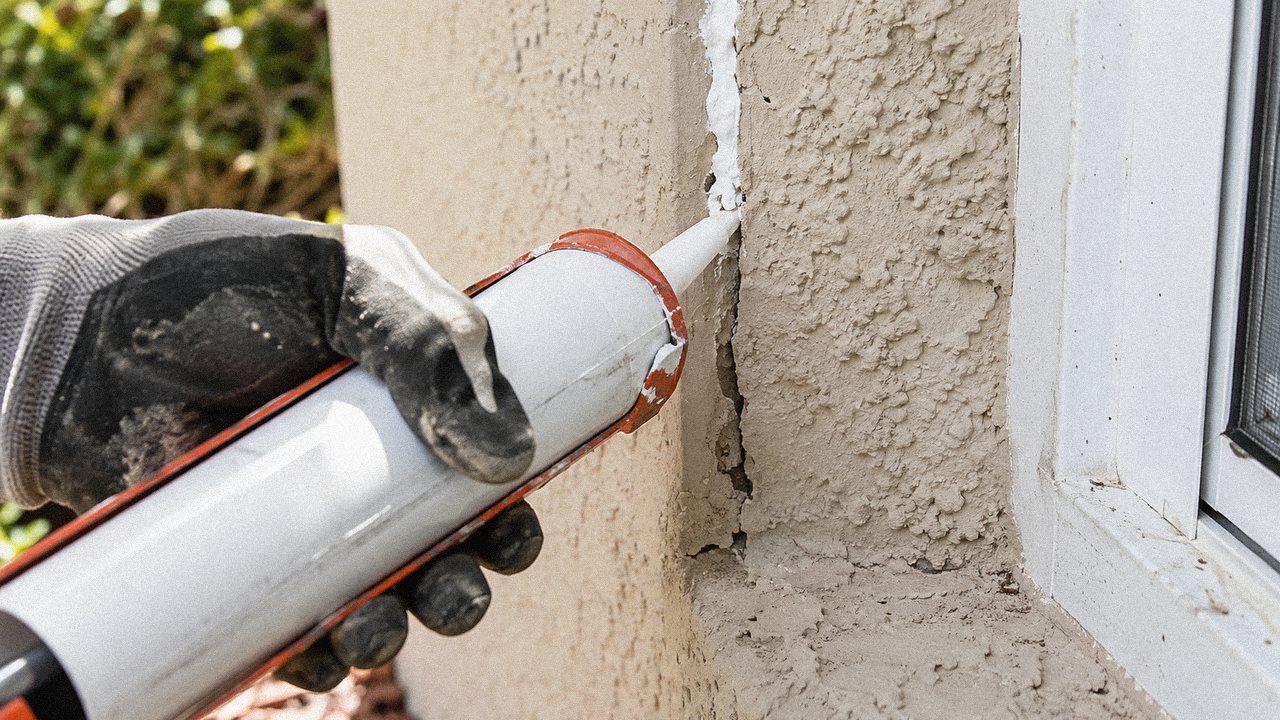
- Seal gaps where pipes and conduits enter the walls with cement, grout or caulk, as the EPA recommends.
Zone 4: Attic, Roofline and Exterior Wood
Drywood termites do not need soil or moisture from the ground. They fly in during swarm season and settle into dry wood, often high in the house. To make that harder:
- Screen attic, soffit and gable vents. UF/IFAS research on the West Indian drywood termite lists fine mesh of about 1 mm and caulking as ways to keep swarmers out.
- Keep fascia, window frames and exterior trim painted and caulked so swarmers cannot find cracks to enter.
- Inspect secondhand wooden furniture, frames and antiques before bringing them inside, since drywood termites live in furniture too.
- Watch for small piles of hard pellets under trim and furniture, the calling card of drywood termites in Florida.
Zone 5: Trees, Storage and the Garage
Trees close to the house deserve attention. UF/IFAS reports that Formosan termites can hollow out the dead wood at the center of living trees, weakening them so they are more likely to collapse in high winds. Trees near structures should be inspected regularly, both for termites and as a storm hazard.
Inside the garage, keep cardboard boxes and stored lumber off the slab and away from walls. FDACS notes that termites also destroy paper products such as books and cardboard. Outside, the EPA advises against stacking firewood or wood debris against the house.
Building, Buying or Remodeling
Big projects are the best time to build in protection.
- New construction: FDACS explains that a soil pretreatment blocks access to the structure but does not eliminate a colony already in the soil. Florida requires the warranty on new-construction preventive treatments to be renewable annually for at least four more years. Keep renewing after that period ends.
- Additions and remodels: New slabs, footings and patios can sit on soil that was never treated. Ask your pest control company before the work starts so the new area can be protected. Our guide to termite ground treatment explains how soil treatments work.
- Buying a home: Order a wood-destroying organism (WDO) inspection and read the warranty that transfers with the house.
Make Inspections Part of the Routine
Even a perfectly maintained yard does not guarantee a termite-free home, which is why regular professional inspections are the backbone of prevention. FDACS calls an annual inspection a must for older homes and reminds homeowners that inspections can miss new infestations, so stay alert between visits. Our article on how often to get a termite inspection explains how often makes sense for your property.
Toro’s termite control service includes termite prevention for homes that are not infested yet. A free inspection by a TORO Institute-trained technician checks the conditions on this checklist, identifies any termites already present and recommends the right protection, from the Sentricon baiting system to TORO-GUARD or tent fumigation for drywood termites. Toro has protected South Florida homes since 1969, and if the bugs come back, so will Toro, at no additional cost to you.

Contact Toro today
A free inspection & $25 off your first service
A trained Toro technician inspects your home or business, explains what was found and gives you a clear plan and quote, backed by our 110% Satisfaction Guarantee.
305-594-4767Frequently Asked Questions
Is termite prevention the homeowner's or the pest company's job?
Can I treat my own house for termites?
Does mulch attract termites?
Do new homes in Florida come with termite protection?
Should I remove trees near my house to prevent termites?
Sources
- Protecting Yourself and Your Property Against Subterranean Termites, Florida Department of Agriculture and Consumer Services
- The Facts About Termites and Mulch (EDIS IN651), UF/IFAS Extension
- Native Subterranean Termites: Reticulitermes flavipes, R. virginicus, R. hageni (EDIS IN369), UF/IFAS Extension
- Formosan Subterranean Termite, Coptotermes formosanus (EDIS IN278), UF/IFAS Extension
- West Indian Drywood Termite, Cryptotermes brevis (EDIS IN236), UF/IFAS Extension
- Termites: How to Identify and Control Them, U.S. Environmental Protection Agency
Educational content. This article is for general information about pests in South Florida and is not medical, legal or professional advice. If you have a bite, sting or allergic reaction, contact your doctor; in an emergency, call 911. Pest problems vary from home to home, so a licensed professional should inspect before treatment. When using any pesticide, always read and follow the product label.


